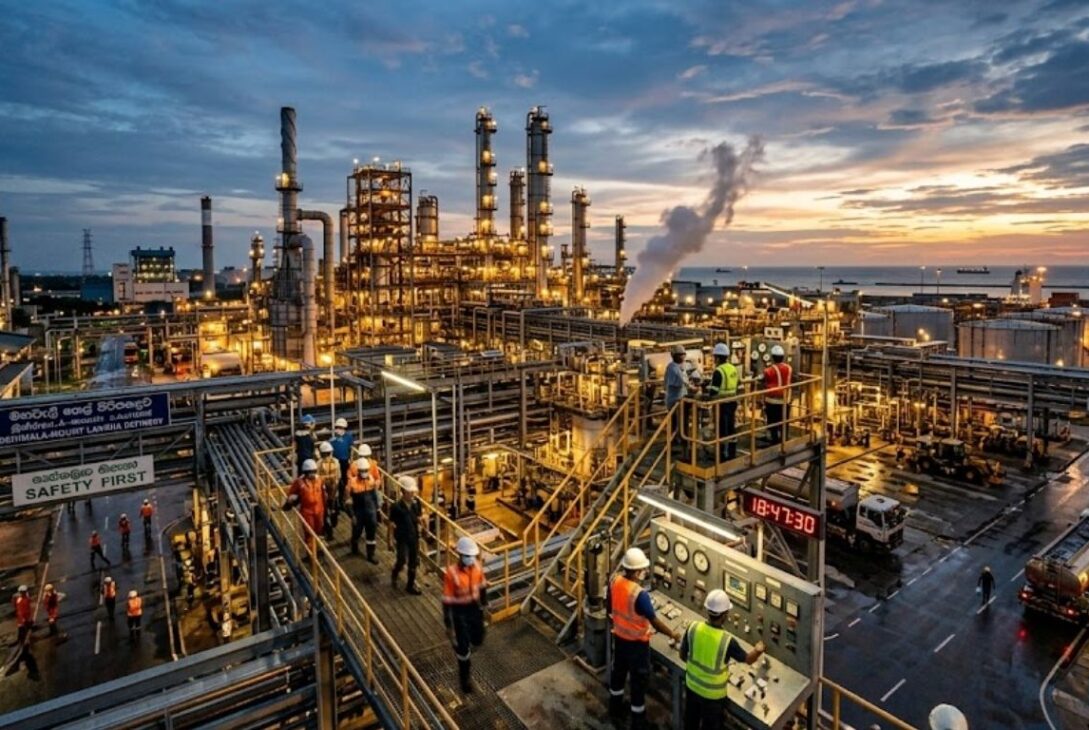
Brent crude oil prices have crossed US$100 a barrel as fresh attacks in the Middle East raise concerns over global oil supplies.
Brent futures reached US$100.07 on Wednesday, up US$2.15, or 2.2%, according to Reuters. US West Texas Intermediate crude also rose 1.83% to US$94.73.
Why oil prices are rising?
The latest increase follows attacks by Iran-backed Houthis on energy facilities in Saudi Arabia.
The attacks set several oil installations on fire and raised fears that the conflict could spread further across the region. Saudi authorities said the attacks caused fires and temporary shutdowns at some energy facilities.
The attacks also raise concerns about shipments through the Red Sea, which has become an important alternative route to the Strait of Hormuz.
Oil flows through Hormuz have already fallen sharply since the start of the conflict. Rystad Energy estimated that flows had recently dropped below 2 million barrels per day, compared with around 8 million to 9 million barrels per day before the latest escalation.
Brent prices have now risen about 25% since early August as hopes for a lasting end to the conflict fade. Several major banks have also raised their oil price forecasts.
What’s impact on Sri Lanka energy market?
The latest oil move comes as Sri Lanka is already spending more on imported fuel.
Central Bank data shows fuel import expenditure reached about US$3.62 billion during the first seven months of 2026. That was 59.9% higher than the same period last year.
In July alone, fuel imports cost US$453 million, up 68% from a year earlier. The increase was mainly linked to higher spending on crude oil imports.
Higher global oil prices do not automatically mean local fuel prices will rise by the same amount. Local pump prices also depend on the exchange rate, taxes, shipping, processing and other costs.
However, a prolonged period of crude prices above US$100 could add further pressure to the country’s fuel import bill and businesses that depend heavily on fuel.
The International Energy Agency expects global oil supply to fall by about 4% this year, adding to concerns over how long the current price pressure could last.
More:
Oman and Sri Lanka Discuss More Direct Flights and Mattala Airport Development
Last modified: September 9, 2026