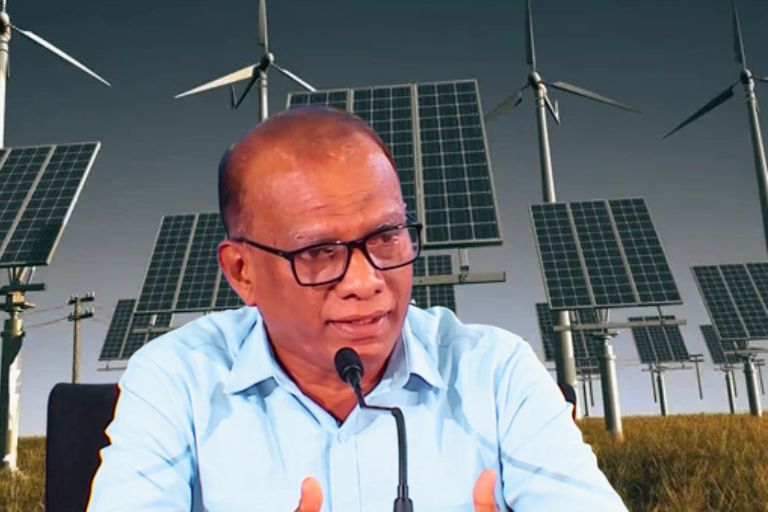
Sri Lanka could go beyond its existing target of generating 70% of electricity from renewable sources by 2030, as the government plans a wider shift away from imported fossil fuels.
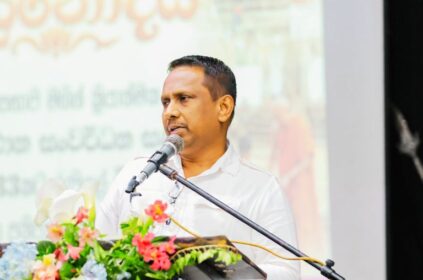
Energy Minister Anura Karunathilaka said renewable power would remain a key government priority in the coming years. He said the country may need to move beyond the 70% target as rising fossil fuel costs increase pressure on the energy system.
Around 60% of electricity currently comes from renewable sources. Hydropower accounts for about 40% of total generation.
Solar Power Could Become a Much Bigger Source
Solar power is expected to play a larger role in the future energy mix.
The government aims to increase solar generation capacity to nearly 4,400 megawatts by 2029. That would represent a 388% increase from 2024 levels.
Rooftop solar has already grown quickly. However, this growth has created a new challenge for the national grid.
During some daylight hours, solar generation can exceed electricity demand. As a result, some solar plants have had to reduce their output temporarily to keep the grid stable.
That means adding more solar alone will not be enough. Sri Lanka will need better ways to move, store and manage electricity.
Five New Transmission Lines and More Battery Storage
The government plans to add five major transmission lines from 2027. These projects are expected to improve the capacity and stability of the national electricity grid.
Battery storage is another part of the plan. Storage can help manage changes in renewable generation and support electricity supply when solar generation falls.
Pricing could change as well.
The government is considering a new financial model for privately generated solar power. Under existing arrangements, some producers can send excess daytime electricity to the grid and withdraw an equivalent amount at night without an additional energy charge.
According to the Minister, this can create extra costs for the state because daytime electricity can offset consumption during higher-cost night-time periods.
A 90%–95% Renewable Energy Goal
Sri Lanka’s longer-term goal is to raise renewable energy’s share to between 90% and 95%.
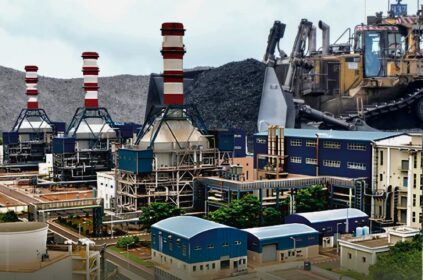
Reaching that level will require large investment in new power generation, transmission infrastructure and energy storage. The Minister acknowledged that the current system and infrastructure cannot yet replace coal and naphtha completely.
Still, he said the country could significantly reduce its dependence on these fuels over the next 10 to 15 years.
For households and businesses, this points to a gradual change in how electricity is produced and managed.
More solar power, stronger transmission networks and wider battery storage could become central parts of the country’s future energy system.
At the same time, reducing dependence on imported fossil fuels could help limit the impact of global fuel price changes on the economy.
Energy Update Ministerial Update
Last modified: October 25, 2026