China’s economy expanded by 4.3% in the second quarter of 2026 as strong export growth helped offset weaker domestic demand and a continued slowdown in the property sector.
Official data showed the world’s second-largest economy grew below its annual target during the April to June period, marking a slowdown from the 5% growth recorded in the first quarter.
Despite slower economic growth, China’s exports increased by 27% in June compared with the same month last year.
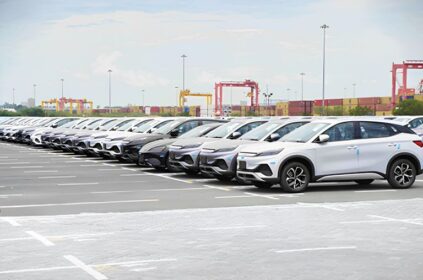
The increase was driven by strong global demand for semiconductors used in artificial intelligence (AI) data centres and rising exports of electric vehicles (EVs).
China also exported more than one million vehicles in a single month for the first time.
How Domestic Demand Remains?
While exports remained resilient, domestic economic activity continued to face challenges.
New home prices declined again in June, reflecting ongoing weakness in the property market. However, the pace of the decline slowed compared with the previous month.
Retail sales improved during June after contracting in May, suggesting consumer spending showed signs of gradual recovery.
Chinese policymakers are expected to continue introducing measures to support domestic demand while maintaining export momentum as the country works towards its revised annual growth target.
Editor’s Insight
China’s latest economic data highlights two contrasting trends. Exports continue to perform strongly, supported by AI-related technology and electric vehicle demand, while weaker consumer spending and the property market remain key challenges for the world’s second-largest economy.
Last modified: July 15, 2026