The Public Health Service has outlined its vision for the next century of community healthcare, with a new White Paper and the Government’s Arogya Programme setting priorities to respond to changing health challenges.
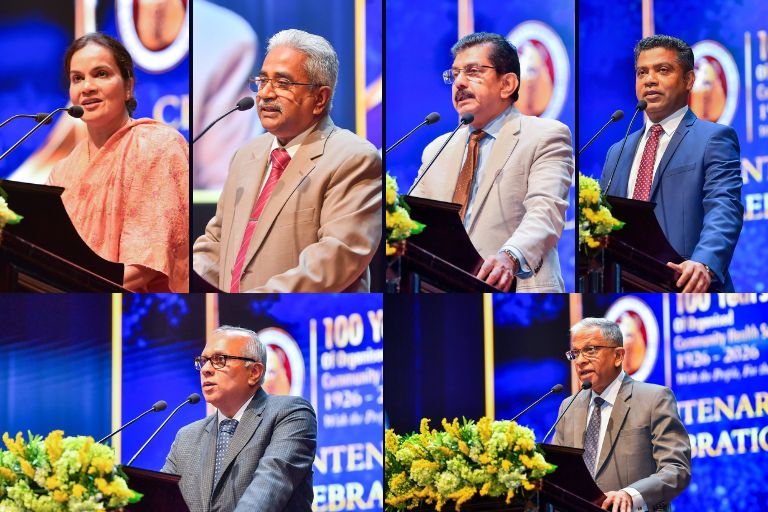
The roadmap was presented during the centenary celebration of the Public Health Service held at the Bandaranaike Memorial International Conference Hall (BMICH) on Monday. The event also recognised 36 community health professional groups for their contribution to strengthening primary healthcare over the past 100 years.
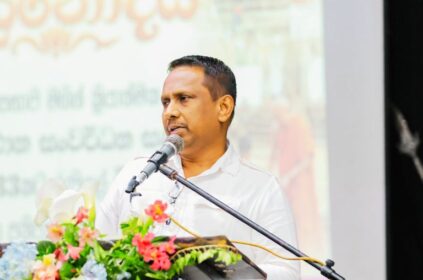
Addressing the gathering, Minister of Health and Mass Media Dr. Nalinda Jayatissa said the country’s public health system has transformed healthcare outcomes over the past century. He noted that maternal deaths have fallen from around 2,500 annually to about 25, while infant mortality has declined from around 200 deaths per 1,000 live births to between five and six. He also highlighted the elimination of malaria, which once claimed around 100,000 lives.
The Minister said these achievements demonstrate the strength of the country’s community health model and praised the contribution of Medical Officers of Health, Public Health Midwives, Public Health Inspectors and other frontline health workers who have earned the trust of communities across the country.
What WHO Said?
World Health Organization Representative Dr. Rajesh Sambhajirao Pandav said maintaining past successes alone would not be enough as the health sector enters its next century. He pointed to emerging challenges, including non-communicable diseases, an ageing population, mental health needs, climate-related risks and future epidemics. He added that unhealthy diets, physical inactivity and alcohol consumption continue to drive the growing burden of non-communicable diseases.
Secretary to the Ministry of Health and Mass Media, Consultant Dr. Anil Jasinghe, said the Government’s Arogya Programme gives community healthcare its highest priority while promoting greater equity and the wider use of technology. He said the programme provides a clear direction for strengthening preventive healthcare and improving services at the community level.
The Public Health Service traces its origins to the establishment of the Kalutara National Health Unit in 1926, the first field health unit in South Asia. Today, the service operates through more than 362 Medical Officer of Health divisions, with community-based health teams continuing to play a central role in disease prevention, maternal and child healthcare, health education and public health surveillance.
Public Health Service Sets Course for Next Century With Focus on New Health Challenges
Awards & Recognitions Ministerial Update
Last modified: July 22, 2026