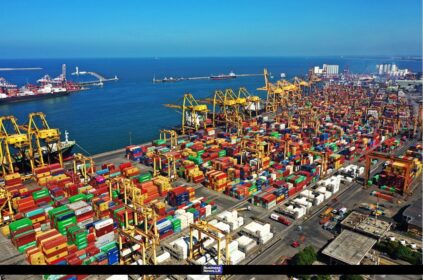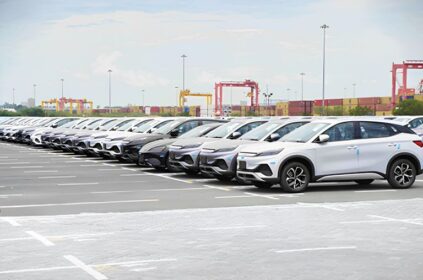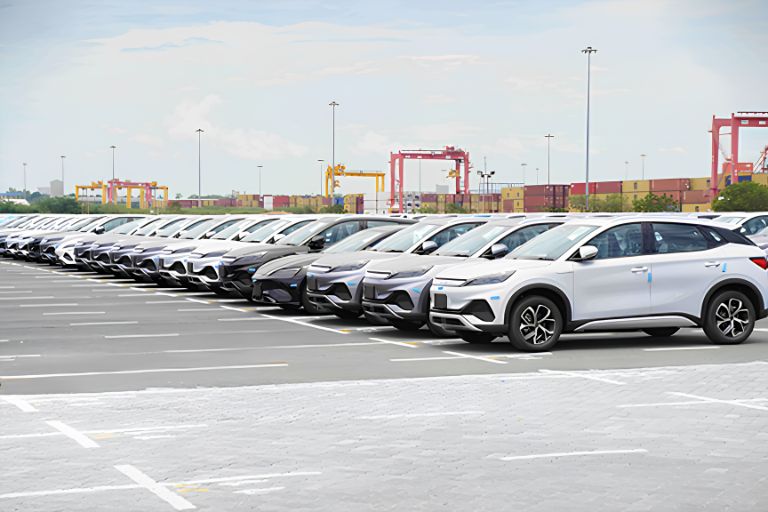
Hundreds of imported vehicles have stayed at Hambantota International Port for months. Some have even remained there for years. However, the Hambantota International Port Group (HIPG) says it does not earn extra income by keeping them in its yards.
Instead, the Port says long-term vehicle storage reduces the space available for new cargo. It stressed that ports are built to move cargo quickly, not to store vehicles for long periods.
Only a Small Share of Vehicles Remain for Long Periods
HIPG said the Port currently handles more than 50,000 vehicles. This includes both vehicles imported into Sri Lanka and transshipment cargo moving through the Port to other countries.
Of the total, 1,278 locally imported vehicles have stayed at the Port for more than three months. Another 581 vehicles have remained there for over a year.
According to HIPG, these vehicles represent only a small share of the total number handled by the Port.
Why Haven’t the Vehicles Been Cleared?
HIPG said many of the vehicles are linked to Sri Lanka’s past vehicle import restrictions.
Importers brought around 400 vehicles into the country before Sri Lanka resumed vehicle imports in 2025. Another 175 vehicles date back to the period before the Government introduced the vehicle import ban in 2020. In addition, 178 vehicles have remained at the Port since before HIPG took over the management of Hambantota Port in December 2017.
The Port also said paperwork, banking procedures and financing arrangements often delay vehicle clearance. As a result, some vehicles stay in the yard much longer than expected.
Why Does the Port Charge Storage Fees?
HIPG said storage charges are not a way to make money. Instead, they encourage importers to collect their vehicles on time and help free up space for new shipments.
The Port gives importers 10 days of free storage, with charges starting only from the 11th day. Transshipment vehicles receive 21 days of free storage, and charges begin from the 22nd day.
HIPG also noted that customers received only three days of free storage before it took over the management of Hambantota Port.
Support During Difficult Times
HIPG said it has supported customers during periods of market disruption.
During Sri Lanka’s vehicle import restrictions and global shipping disruptions, the Port granted storage fee waivers and other concessions for thousands of vehicles. More recently, it introduced a storage cap for vehicles affected by disruptions in the Gulf region. This prevented storage costs from increasing beyond reasonable levels.
The Port said these measures show its commitment to supporting customers while keeping cargo moving efficiently.
Why This Matters
Every vehicle that stays at the Port for months occupies valuable yard space. That limits the Port’s ability to handle new shipments and support the growing vehicle logistics industry.
HIPG said it will continue working with Sri Lanka Customs, vehicle importers and other industry stakeholders to clear long-standing vehicles. The Port believes this will improve cargo movement and strengthen Sri Lanka’s role as a regional automotive logistics hub.
Last modified: July 27, 2026