The global energy market is facing fresh supply pressure as Brent crude oil climbed above $110 a barrel, driven by concerns over Middle East oil flows and uncertainty around Russian fuel supplies.
Brent settled at $109.86 a barrel on Friday, up $3.94, or 3.7%. It was the highest closing price since May 19.
US West Texas Intermediate (WTI) also rose to $101.41 a barrel, gaining $3.44, or 3.5%.
Brent gained 4.9% for the week, while WTI rose 10.4%.
Middle East supply risks put pressure on the market
The latest price jump comes as traders watch developments around the Strait of Hormuz, a key route for global oil shipments.
A Saudi-led coalition said it intercepted and destroyed a ballistic missile heading towards Yanbu, a Red Sea city and important Saudi port.
Initial reports said there was no damage to oil infrastructure.
However, concerns about wider supply disruptions remain. Attacks around the Strait of Hormuz have increased over the past 10 days.
Iran has said it is stepping up attacks in response to a US blockade of its ports and tougher sanctions.
Kpler data shows that Iranian attacks have already reduced Gulf crude flows sharply. A full recovery could also take time without a wider political agreement.
There have also been reports of possible attacks on Saudi energy infrastructure. Israeli reports suggested Iran could be preparing a pre-emptive strike after unusual military movements.
Those reports remain unverified.
Russia adds another supply risk
The global energy market is also dealing with uncertainty over Russian fuel supplies.
Ukraine has attacked a Russian refinery after President Volodymyr Zelensky ended a ceasefire covering energy sites.
Russia’s Ryazan refinery suspended a primary crude distillation unit following a drone attack.
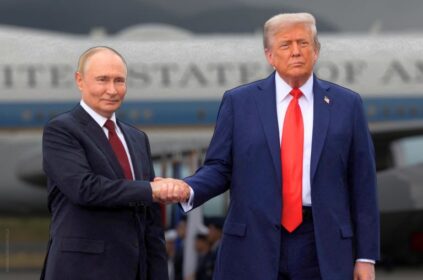
The market is also watching how much Russian diesel can reach international buyers under the new arrangements involving US President Donald Trump and Russian President Vladimir Putin.
That matters because Russia remains an important supplier of refined fuel to the global market.
Dennis Kissler of BOK Financial said traders are buying oil because of the Middle East conflict and uncertainty over Russian diesel deliveries.
Governments prepare more supply
Governments are now taking steps to add fuel to the market.
The International Energy Agency (IEA) has agreed to release more than 20 million barrels of fuel.
The US Department of Energy has also requested proposals for an exchange of up to 17 million barrels from the Strategic Petroleum Reserve.
The US had earlier agreed to loan 172 million barrels as part of a wider IEA plan involving around 30 countries.
The wider plan could release about 400 million barrels globally.
These releases could help limit the pressure on the global energy market. However, their impact will depend on how quickly the extra supply reaches consumers.
What happens to fuel prices next?
The next move in oil prices will depend mainly on how long Middle East supply disruptions continue.
If oil flows through the Gulf remain under pressure, Brent could stay above $100 and keep fuel costs high.
If shipping routes recover and reserve releases add enough supply, prices could come down.
The uncertainty matters for countries that rely heavily on imported fuel.
For Sri Lanka, higher global oil prices can increase the country’s fuel import bill and put pressure on transport and business costs.
A sustained rise in Brent could therefore reach consumers through higher fuel and transport costs.
For now, the global energy market is watching two key supply questions: how much oil can continue moving through the Middle East, and how much Russian fuel can return to international markets.
Last modified: October 17, 2026