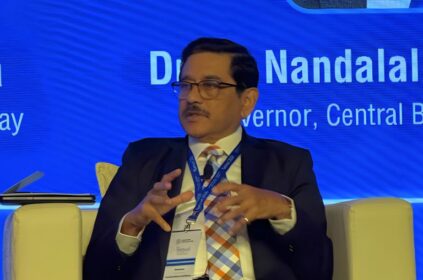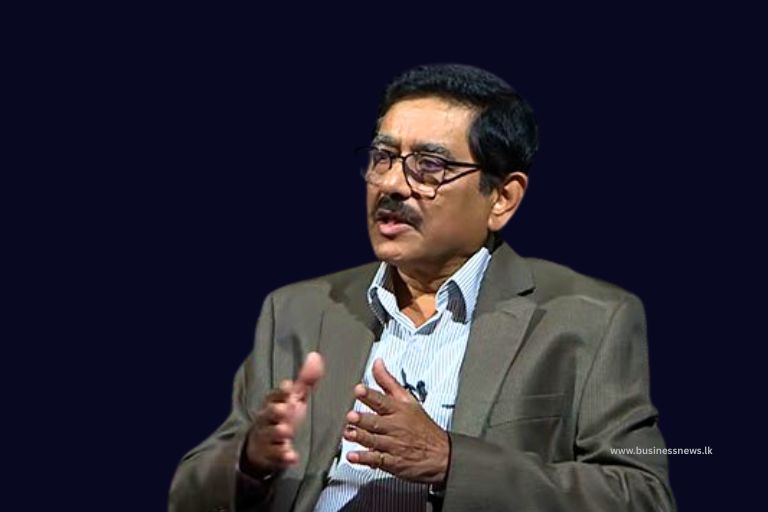
Central Bank Governor Dr. Nandalal Weerasinghe has warned that inflation could rise to 7% if higher fuel prices and strong consumer demand continue in the coming months, highlighting the growing impact of the Middle East conflict on the local economy.
Speaking on TV Derana’s 360 programme, the Governor said the conflict has lasted longer than initially expected, resulting in sustained increases in global fuel prices and additional pressure on countries that rely heavily on imported energy.
According to Dr. Weerasinghe, inflation is currently projected to remain around 5.4% to 5.5%. However, rising fuel costs could push inflation higher if demand remains strong and import expenses continue to increase.
His comments provide one of the clearest indications yet of how geopolitical developments outside the country can directly affect domestic prices. Fuel remains a key input across the economy, influencing transportation, electricity generation, manufacturing, agriculture, and logistics costs. As fuel prices rise, the effects often spread across multiple sectors and eventually reach consumers.
The warning also helps explain the Central Bank’s recent decision to tighten monetary policy. Dr. Weerasinghe said the move was taken as a precautionary measure to contain inflationary pressures before they become more deeply embedded in the economy.
The challenge facing policymakers is balancing economic growth with price stability. While consumer demand has remained relatively resilient, sustained demand combined with rising import costs can increase inflationary pressure, particularly in an economy still vulnerable to external shocks.
The Governor noted that reducing demand pressures over the coming months would be important in preventing inflation from accelerating beyond current projections and maintaining overall economic stability.
His remarks come as several economic indicators have already begun reflecting the impact of higher global energy prices. Fuel import costs have increased significantly in recent months, while the external sector has also come under pressure from a widening trade deficit and currency depreciation.
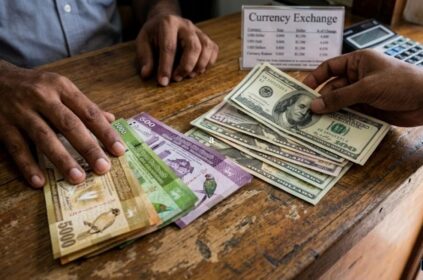
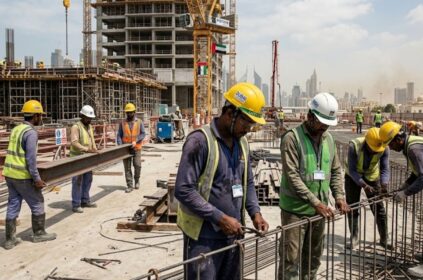
Beyond inflation, Dr. Weerasinghe also sought to reassure overseas Sri Lankans and investors regarding remittances and fund transfers. He stated that there are no restrictions on remitting legally earned funds through the formal banking system, provided transactions comply with anti-money laundering regulations.
The Governor’s comments underline a growing concern among policymakers: while domestic economic conditions have stabilised considerably compared to previous years, external developments such as the Middle East conflict remain capable of influencing inflation, foreign exchange requirements, and the overall pace of economic recovery.
Central Bank of Sri Lanka (CBSL)
Last modified: June 3, 2026