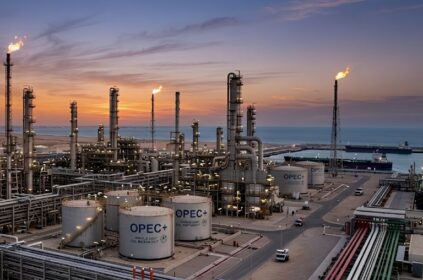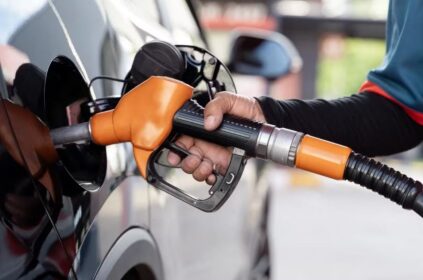
Fuel prices increased because the cost of importing fuel has risen sharply amid higher global oil prices and the ongoing conflict in the Middle East.
Energy Minister Anura Karunathilaka said the government’s fuel import costs have increased by about 50% this year compared with last year. Rising global crude oil prices have therefore increased the cost of bringing fuel into the country.
Ceylon Petroleum Corporation increased Petrol 92 by Rs. 10 to Rs. 424 per litre. Petrol 95 rose by Rs. 15 to Rs. 490, while Auto Diesel increased by Rs. 5 to Rs. 397.
Super Diesel also went up by Rs. 15 to Rs. 543 per litre. Kerosene remained unchanged at Rs. 285.
Why Did the Government Not Keep Prices Unchanged?
Government support has already absorbed part of the higher fuel cost.
Karunathilaka said Rs. 57 billion had been allocated for fuel subsidies. That support was intended to reduce the impact of rising international prices on consumers.
Earlier government measures had already kept some fuel prices below levels that reflected higher global costs. Cabinet records show that fuel subsidies were used during April, May and June to limit the impact of the Middle East conflict on consumers and the wider economy.
Minister Karunathilaka said the government could not continue providing enough support to fully offset the increase in import costs.
Import costs have risen by around 50% compared with last year. As a result, maintaining the previous retail prices would require the government to absorb a larger share of that cost.
What Does the Middle East Conflict Have to Do With Fuel Prices?
Global oil prices have risen sharply during the Middle East crisis. Disruptions and uncertainty around key oil and shipping routes have added pressure to international fuel markets.
That matters because the country depends on imported petroleum products. When global prices rise, bringing the same amount of fuel into the country costs more in foreign currency.
Higher import costs then create pressure on domestic fuel prices unless the government absorbs the difference through subsidies.
Why Not Sell Fuel at the Import Price?
The Minister also rejected the idea that fuel could simply be sold to consumers at the same price paid when it reaches the port.
He said such a system is not used by countries around the world. Fuel pricing must account for more than the basic import price, while the government must decide how much of the overall cost should be passed on to consumers.
For now, the government says the latest increase reflects the pressure from global fuel prices and the higher cost of imports.
The key reason is therefore straightforward: global oil prices rose, fuel import costs increased by about 50%, and the government could no longer absorb the full increase through subsidies.
Last modified: November 3, 2026