A new battery storage system and a floating solar power plant are adding renewable energy capacity while giving the national power grid new ways to manage electricity.
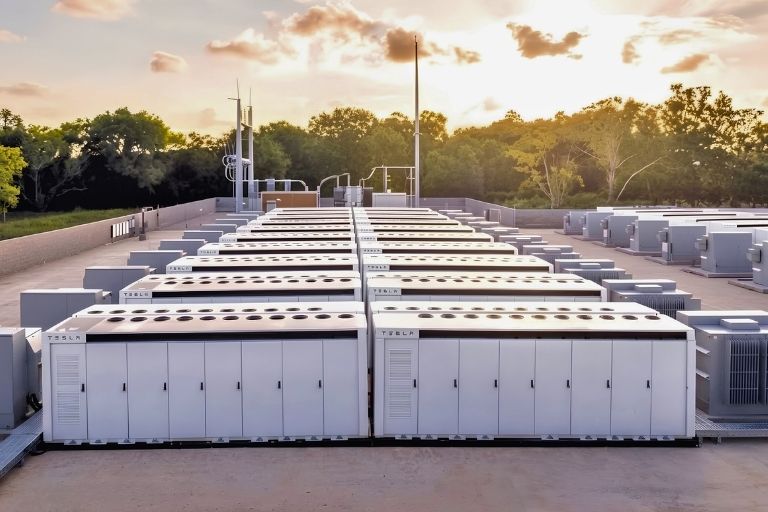
The country’s first Battery Energy Storage System (BESS) is being inaugurated in Anuradhapura today, September 18.
The 10 MW system will support the growing use of renewable energy and help improve the stability of the national power grid.
At the same time, the “Diyajanani” floating solar power plant in Dambulla is also being inaugurated today.
Built on Ibbankatuwa Wewa, the floating solar plant will add 5 MW to the national grid. The project is expected to provide electricity to around 10,000 households.
Why battery storage matters
Solar power produces electricity mainly during daylight hours. However, people and businesses also need electricity after sunset.
Battery storage gives the power system a way to store electricity and use it when needed.
As a result, the new BESS can help the grid manage changes in renewable power supply.
The 10 MW system is also the first project of its kind to be added to the national power system.
The Cabinet has approved a wider programme to establish 300 MW of battery storage capacity. The plan includes 25 standalone battery projects, each with a capacity of 10 MW/40 MWh.
Floating solar adds new generation
The Diyajanani project uses a water surface to generate solar power instead of using land.
The plant has a capacity of 5 MW and is located on Ibbankatuwa Wewa in Dambulla.
It is expected to provide electricity to about 10,000 households.
Floating solar can also help expand renewable energy without requiring large areas of land for solar panels.
Two projects, two benefits
The two projects support the power system in different ways.
The floating solar plant adds new renewable electricity to the grid. Meanwhile, the battery system provides storage that can help manage electricity supply when renewable generation changes.
Together, they support greater use of renewable energy while giving the grid more flexibility.
Further battery storage projects are also planned as part of the wider renewable energy programme.
For electricity consumers, these projects do not mean an immediate reduction in electricity bills.
Their main benefit is the addition of renewable generation and storage capacity. Over time, this can help the power system manage renewable electricity more effectively.

Anuradhapura Dambulla Energy Update
Last modified: September 18, 2026