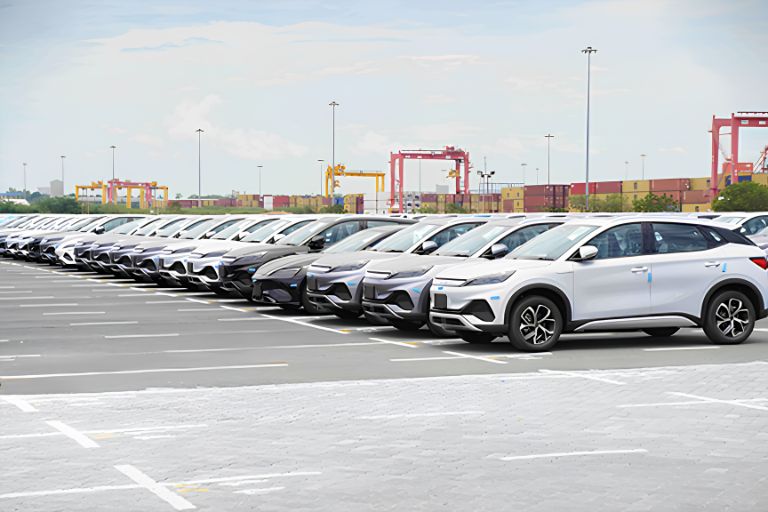
Sri Lanka’s spending on vehicle imports fell by 27.1% in June, with the country’s import bill dropping to US$182 million, according to the Central Bank.
The Central Bank of Sri Lanka’s latest External Sector Performance report shows the decline covered both personal and commercial vehicle imports. The lower import bill follows several months of strong vehicle demand after import restrictions were relaxed.
June Spending Drops
Central Bank data shows vehicle imports cost US$182 million in June, down from the previous month. The decline suggests demand slowed after a period of higher spending on imported vehicles.
Despite the monthly drop, vehicle imports remained one of the country’s major import expenses during the first half of the year.
Import Bill Still Above US$1 Billion
Spending on vehicle imports reached US$1.25 billion during the first six months of 2026.
That compares with US$1.57 billion recorded during the second half of 2025, based on Central Bank data.
Vehicle imports have become a key contributor to Sri Lanka’s import bill since the government eased import restrictions. The sector has also supported higher government tax revenue through import duties and related taxes.
The pace of vehicle imports remains closely watched by policymakers because it affects foreign exchange outflows and the country’s overall trade performance. Future import trends are likely to depend on consumer demand, financing conditions and exchange rate movements.
Last modified: August 3, 2026