Global oil prices rose by more than 5% on Monday after fresh tensions in the Middle East raised concerns about possible disruptions to energy shipments through the Strait of Hormuz, one of the world’s most important oil transit routes.
Brent crude climbed above US$80 per barrel, while U.S. West Texas Intermediate (WTI) rose above US$75 per barrel as markets reacted to the latest developments.
Markets React to Supply Concerns
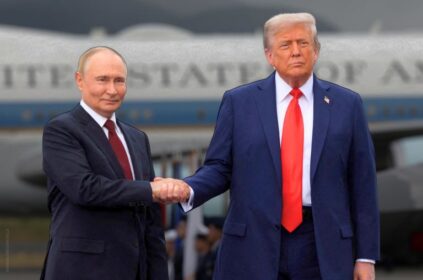
The price increase followed comments by U.S. President Donald Trump, who announced plans to resume measures targeting Iran and proposed charging vessels for assistance when transiting the Strait of Hormuz.
The latest developments have renewed concerns over the security of one of the world’s busiest shipping routes for crude oil.
Why the Strait of Hormuz Matters
Around 20% of the world’s oil supply passes through the Strait of Hormuz, making it a critical route for global energy trade.
Any disruption to shipping through the waterway can tighten oil supplies, increase transportation costs and push fuel prices higher around the world.
Higher global oil prices can eventually increase fuel import costs for many countries while placing additional pressure on transport, logistics and manufacturing businesses.
Markets will closely monitor developments in the Middle East, as further escalation could lead to greater volatility in global energy prices.
Last modified: July 14, 2026