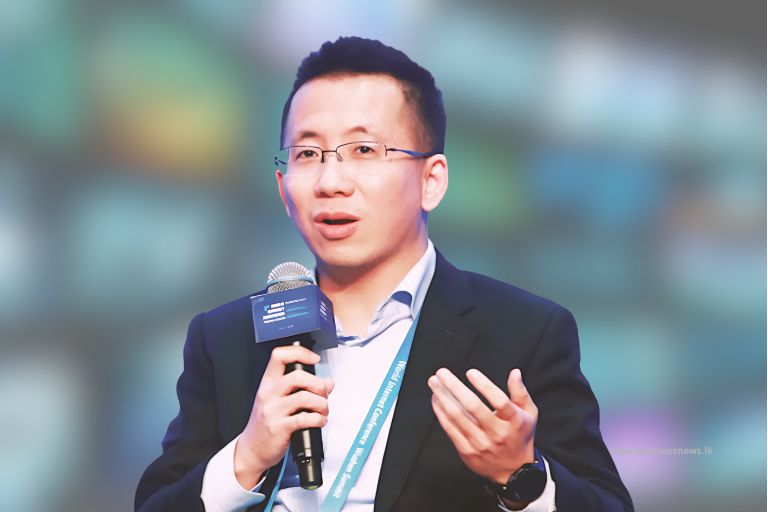
The rise of ByteDance founder Zhang Yiming to become Asia’s second-richest person highlights a broader shift taking place in the region’s economy, where technology and artificial intelligence companies are increasingly creating wealth at a pace that rivals traditional industries.
According to the Bloomberg Billionaires Index, Zhang’s net worth has reached an estimated US$92.8 billion, allowing him to surpass Indian business tycoon Mukesh Ambani and move into second place among Asia’s wealthiest individuals.The development is notable not only because of the ranking change but also because of what it says about the sources of economic value in today’s global economy.
For decades, many of Asia’s richest individuals built fortunes through sectors such as energy, telecommunications, manufacturing, real estate, and infrastructure. Zhang’s rise reflects the growing influence of digital platforms, data-driven businesses, and artificial intelligence in generating enterprise value.
The increase in his wealth has been largely driven by the growing valuation of ByteDance, the company behind TikTok. While TikTok remains one of the world’s most popular social media platforms, investor attention has increasingly focused on ByteDance’s artificial intelligence ambitions.
One of the company’s key AI products, the Doubao chatbot, has reportedly attracted more than 300 million monthly users in China, highlighting the rapid expansion of AI-powered consumer services.
Bloomberg reported that recent valuation adjustments linked to ByteDance’s business prospects and investor confidence added more than US$24 billion to Zhang’s personal fortune.
The latest rankings place Zhang behind Indian billionaire Gautam Adani, who remains Asia’s richest person with an estimated net worth of US$97.9 billion, while Mukesh Ambani now occupies third position.
The story is also a reflection of how wealth creation is evolving globally. Investors are increasingly placing higher valuations on companies with strong digital ecosystems, artificial intelligence capabilities, and large user networks. In many cases, these businesses are growing faster than traditional sectors and attracting greater investor interest.
For emerging economies, including Sri Lanka, the trend offers an important lesson. The world’s fastest-growing fortunes are increasingly being created through innovation, technology, digital services, and intellectual property rather than through physical assets alone.
Zhang, who founded ByteDance in 2012, has seen his wealth grow more than sevenfold since 2019, illustrating how rapidly technology-led businesses can scale when they successfully combine digital platforms with new technologies such as artificial intelligence.
Last modified: June 9, 2026