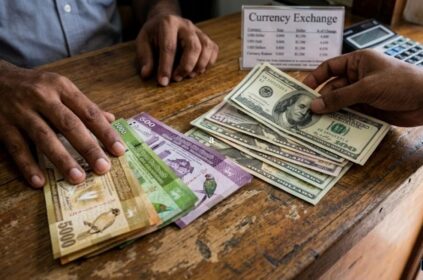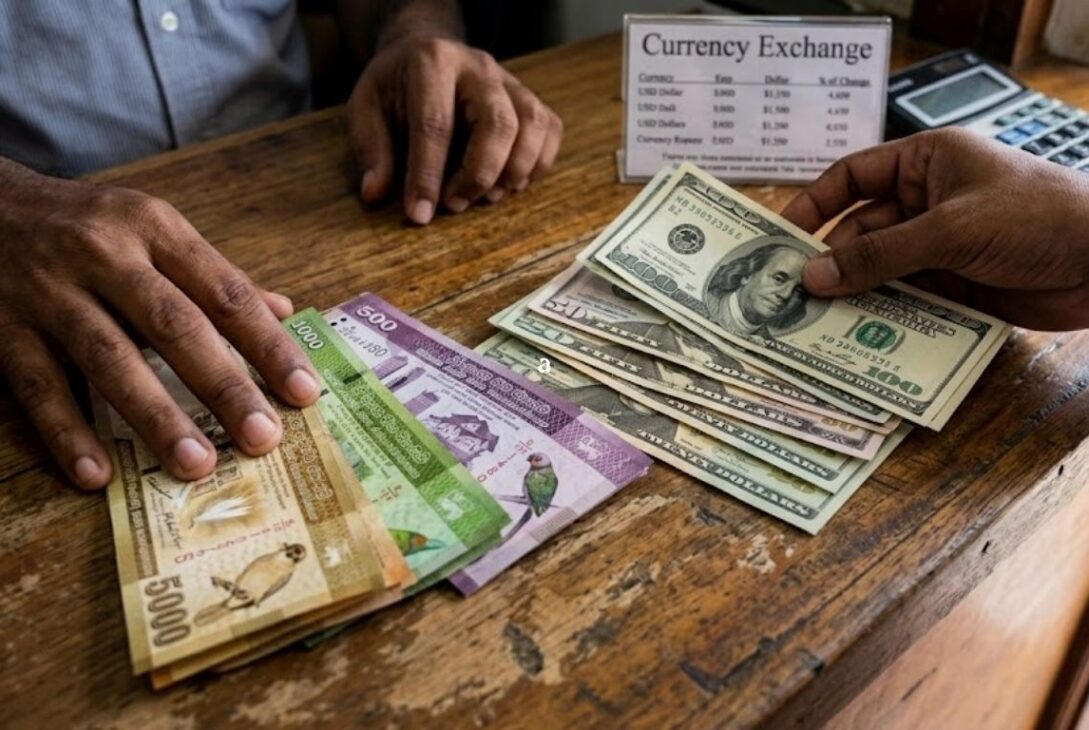
The Sri Lankan rupee continued to weaken against the US dollar on Wednesday, with several commercial banks reporting higher exchange rates and the dollar’s selling rate approaching Rs. 340.
The latest movements indicate that pressure on the local currency remains elevated amid growing concerns over rising global fuel prices and external sector challenges linked to developments in the Middle East.
Across most major banks, the US dollar was being sold at around Rs. 337, while some institutions recorded even higher rates. Seylan Bank reported the highest selling rate among the major banks, with the dollar reaching Rs. 339.
The increase may appear modest on a day-to-day basis, but it reflects a broader trend that has emerged in recent weeks. The rupee has come under pressure as higher fuel import costs increase demand for foreign currency, while uncertainty surrounding global economic conditions continues to influence currency markets.
Recent statements by economic policymakers have also pointed to the impact of external developments. Higher global oil prices not only increase the country’s import bill but can also place pressure on foreign exchange reserves and contribute to inflationary risks.
The exchange rate movements were visible across the banking sector. People’s Bank, NDB Bank, Commercial Bank, Sampath Bank, and Seylan Bank all reported increases in both buying and selling rates compared to the previous day.
Currency depreciation can have mixed effects on the economy. While it may improve export competitiveness and increase the value of remittances converted into rupees, it also raises the cost of imports, particularly fuel, vehicles, raw materials, and other goods priced in foreign currencies.
The latest exchange rate movements come as policymakers continue to monitor the impact of global developments on the economy. With fuel prices remaining elevated and external sector pressures persisting, the direction of the rupee is likely to remain closely watched by businesses, importers, investors, and consumers in the weeks ahead.
Central Bank of Sri Lanka (CBSL) Daily Exchange Rate
Last modified: June 3, 2026