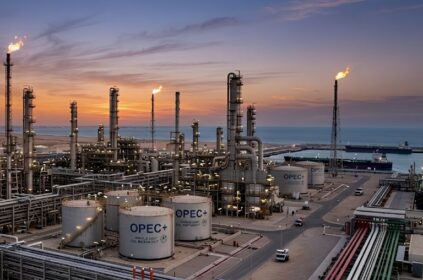
Global oil prices moved higher on Monday after renewed military exchanges between the United States and Iran renewed concerns over energy supplies from the Middle East.
Brent crude futures rose 0.7% to US$72.51 a barrel, while U.S. West Texas Intermediate (WTI) crude gained 1% to US$69.94 a barrel.
The gains followed fresh attacks on vessels operating near the Strait of Hormuz, one of the world’s busiest oil shipping routes, despite an interim peace agreement between Washington and Tehran.
Why Did It Happen?
Oil markets had expected crude exports from the Persian Gulf to recover after the United States and Iran agreed to pause hostilities.
However, attacks on commercial shipping resumed last week, including an incident involving a Qatar-linked oil tanker, highlighting that security risks in the region remain.
Although reports indicate both countries have agreed to resume negotiations in Qatar, uncertainty over the safety of energy shipments continues to influence market sentiment.
Analysts said investors are reassessing expectations for a quick recovery in oil supplies from the Gulf.
Why It Matters Globally
The Strait of Hormuz is one of the world’s most important energy corridors, carrying a large share of globally traded crude oil and liquefied natural gas.
Any disruption to shipping through the waterway can delay deliveries, increase freight costs and tighten global energy supplies.
While Brent crude declined more than 10% last week as exports initially recovered, the latest attacks have reminded markets that geopolitical risks remain capable of pushing prices higher.
Industry analysts also note that tanker congestion, damaged infrastructure and temporary production shutdowns may prevent oil supplies from returning to pre-conflict levels before the end of the year.
How This Matters to Sri Lanka?
Higher global oil prices can eventually increase fuel import costs for the country, placing additional pressure on energy spending and transport costs.
If elevated prices continue, businesses that depend on fuel—including logistics, manufacturing, aviation and fisheries—could face higher operating expenses.
Rising energy costs may also influence inflation, import bills and foreign exchange demand, making international oil market developments closely watched by policymakers and businesses.
Last modified: June 29, 2026