Thousands of small and medium-sized businesses will remain outside the Value Added Tax (VAT) registration requirement after the government decided to withdraw its proposal to reduce the VAT registration threshold.
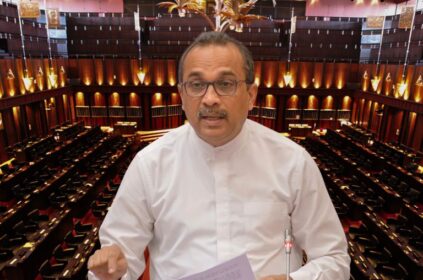
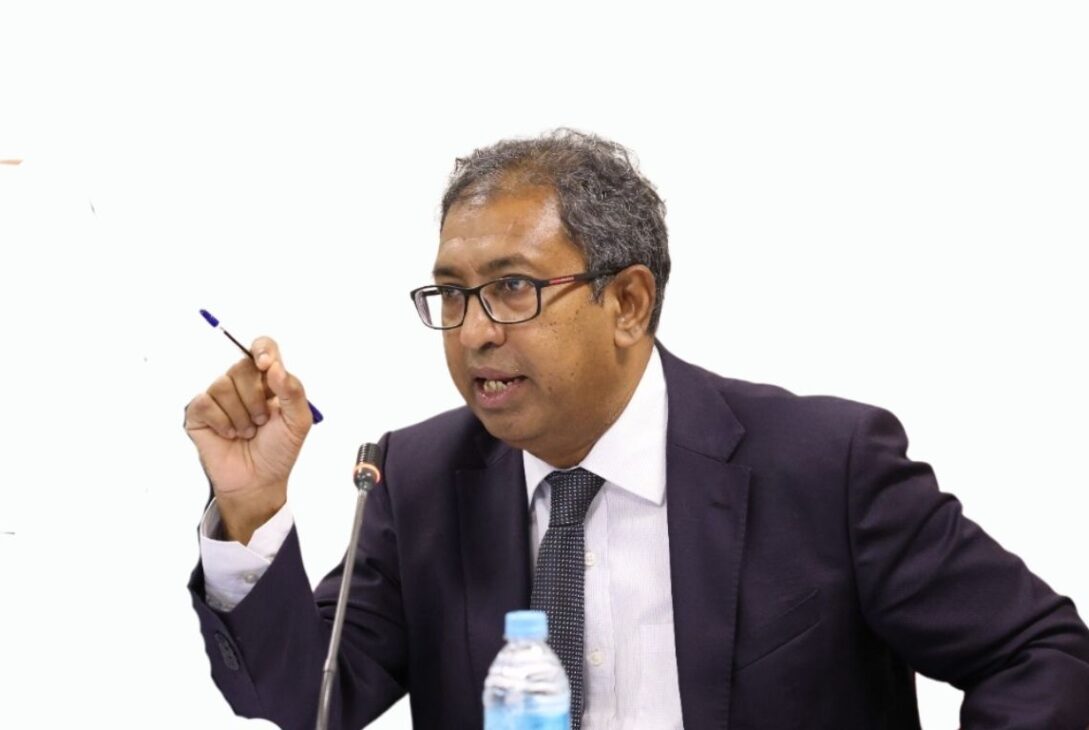
The decision has been welcomed by Chairman of the Committee on Public Finance (CoPF) Parliamentarian Dr. Harsha de Silva, who said the move would prevent additional compliance burdens on smaller businesses while preserving the current exemption level.
The government had proposed lowering the VAT registration threshold as part of efforts to broaden the tax base and strengthen revenue collection.
Business Concerns Prompted Opposition
The proposal faced criticism from business groups, tax professionals, and opposition lawmakers over recent weeks.
Critics argued that lowering the threshold would have brought more small businesses into the VAT system at a time when many enterprises were still recovering from recent economic challenges.
According to Dr. Harsha de Silva, a large number of submissions received during the consultation process opposed the proposal.
He noted that the issue was repeatedly discussed before the Committee on Public Finance and in Parliament.
CoPF Chairman Calls for Fair Tax Expansion
Welcoming the government’s decision, Dr. Harsha de Silva said efforts to expand the tax base should be carried out fairly and equitably.
He argued that the proposed reduction could have exposed smaller traders to substantial penalties for non-compliance while broader tax administration challenges remained unresolved.
“The tax base must be expanded, but it cannot be done by disproportionately targeting small businesses while other areas of tax leakage remain unaddressed,” he said.
Dr. de Silva also raised concerns regarding VAT collection and remittance issues involving certain sectors and institutions, including questions relating to online gambling activities.
What the Decision Means for Businesses
With the proposal withdrawn, the VAT registration threshold will remain at Rs. 60 million in annual turnover.
As a result, businesses generating annual turnover below that level will continue to remain outside the mandatory VAT registration framework.
For many small and medium-sized enterprises, the decision removes the immediate need to manage additional VAT compliance requirements, record-keeping obligations, and related administrative costs.
Balancing Revenue and Business Growth
The government had maintained that lowering the threshold would help broaden the tax base and improve tax revenue collection.
However, opponents argued that the measure could have increased compliance costs and placed additional pressure on businesses operating with limited profit margins.
The debate highlighted the challenge policymakers face in balancing revenue generation with the need to support business growth and entrepreneurship.
Why It Matters
The decision is particularly relevant for small and medium-sized enterprises, which account for a large share of economic activity and employment.
By retaining the Rs. 60 million threshold, the government has preserved the existing exemption level for thousands of businesses across the country.
The focus now shifts to whether authorities can strengthen tax collection and reduce revenue leakages through broader reforms without increasing the burden on smaller enterprises.
Economic & Regulation Opposition Parliamentary Updates
Last modified: June 24, 2026