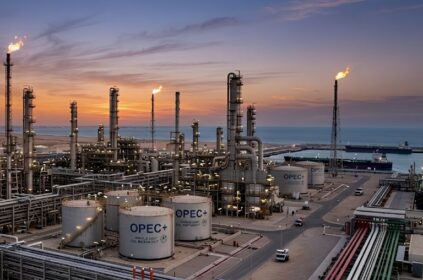
Global oil prices have fallen below levels seen before the recent conflict involving Iran, raising hopes of lower fuel costs and reduced inflationary pressure across major economies.
Brent crude, the international benchmark for oil prices, dropped below US$ 76 a barrel as investors became increasingly confident that oil tanker movements through the Strait of Hormuz could soon return to normal.
The Strait of Hormuz is one of the world’s most important energy shipping routes. A large share of global oil exports passes through the narrow waterway, making it a key factor in determining international energy prices.
The decline in oil prices follows growing expectations that diplomatic efforts and peace talks involving the United States and Iran could help stabilize the region. Markets have responded positively to signs that disruptions to oil supplies may be less severe than initially feared.
Diesel Prices Drop Below Key Level
The easing in global oil prices has already begun to influence fuel markets in the United States.
According to the American Automobile Association (AAA), the average diesel price fell by two cents to US$ 4.98 per gallon. This marks the first time diesel prices have fallen below US$ 5 per gallon since March 16.
Diesel prices have been declining steadily since reaching a four-year high of US$ 5.67 per gallon on May 6.
Economists closely monitor diesel prices because they affect transportation and logistics costs. Most goods are moved by trucks, and higher diesel prices often lead to fuel surcharges that increase the cost of products reaching consumers.
As diesel becomes cheaper, businesses may experience lower transport costs, helping ease pressure on supply chains and consumer prices.
Uncertainty Remains in Energy Markets
While diesel prices have fallen, gasoline prices have shown signs of stabilizing.
The average gasoline price in the United States increased by 0.2 cents to US$ 3.93 per gallon. Although the increase was small, it ended a 34-day streak of continuous price declines.
Gasoline prices had previously reached a four-year high of US$ 4.56 per gallon before beginning their recent downward trend.
Despite the improved market sentiment, analysts caution that risks remain. Oil markets continue to watch developments in the Middle East and the pace at which oil shipments resume through the Strait of Hormuz.
For import-dependent economies, including many Asian nations, lower oil prices could help reduce fuel import costs and inflationary pressures. However, sustained price stability will depend on whether global oil supplies can keep pace with demand during the coming months.
The latest decline below US$ 76 a barrel suggests markets are becoming more optimistic, but investors remain alert to any developments that could disrupt global energy supplies once again.
Last modified: June 24, 2026