Sri Lanka’s external sector returned to deficit territory in April 2026, highlighting how developments beyond the country’s borders can quickly affect trade, tourism, foreign exchange earnings, and the value of the rupee.
After recording surpluses during the first three months of the year, the external current account moved into deficit in April as higher import costs, weaker tourism earnings, and increased outflows outweighed gains from workers’ remittances.
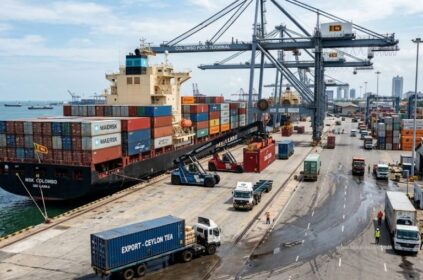
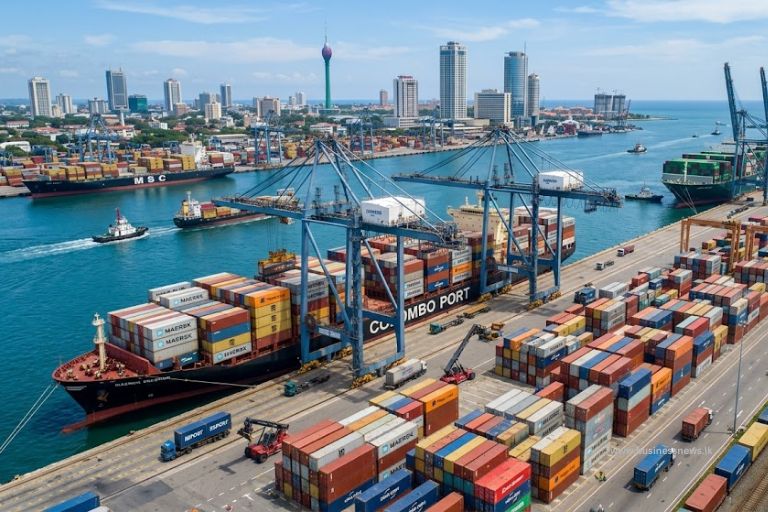
The most significant pressure came from the trade account. The merchandise trade deficit widened sharply, reaching US$ 3.7 billion during the first four months of 2026, compared with US$ 2.3 billion during the same period last year.
A major contributor was fuel. Expenditure on fuel imports surged nearly 150% year-on-year to US$ 886 million in April alone. The increase was driven by higher global oil prices following the escalation of conflict in the Middle East, combined with increased import volumes.
Vehicle imports also continued to add pressure on the import bill. Expenditure on motor vehicle imports reached US$ 821 million during the first four months of the year, reflecting the growing demand for both personal and commercial vehicles following the relaxation of import restrictions.
At the same time, tourism, one of the country’s key sources of foreign exchange, showed signs of strain. Tourist arrivals fell for a second consecutive month to 135,643 in April, a decline of 22.3% compared with a year earlier. Tourist earnings dropped even more sharply, falling 38.8% to US$ 157 million during the month.
The decline in tourism highlights one of the indirect economic consequences of geopolitical instability. While the conflict is taking place thousands of kilometres away, uncertainty in international travel markets can influence tourist decisions, airline operations, and regional travel patterns.
Not all indicators moved in a negative direction. Workers’ remittances continued their strong performance, reaching US$ 768 million in April. During the first four months of 2026, remittance inflows increased 24.5% year-on-year to US$ 3.06 billion, helping offset some of the pressure created by higher imports and weaker tourism receipts.
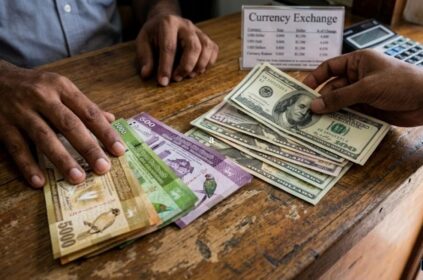
The pressure on the external sector was also reflected in the currency market. By the end of May, the rupee had depreciated 5.4% against the US dollar since the beginning of the year, mirroring trends seen in several peer economies facing similar external challenges.
Despite these pressures, official reserves remained around US$ 6.8 billion at the end of April. In addition, Sri Lanka received a positive signal from the International Monetary Fund when its Executive Board completed the Fifth and Sixth Reviews of the Extended Fund Facility programme, unlocking approximately US$ 695 million in fresh funding.
The April data illustrates the delicate balance facing the economy. While remittances and external financing continue to provide support, rising fuel costs, a widening trade deficit, and weaker tourism earnings demonstrate how quickly global events can affect domestic economic conditions.
Central Bank of Sri Lanka (CBSL)
Last modified: June 2, 2026