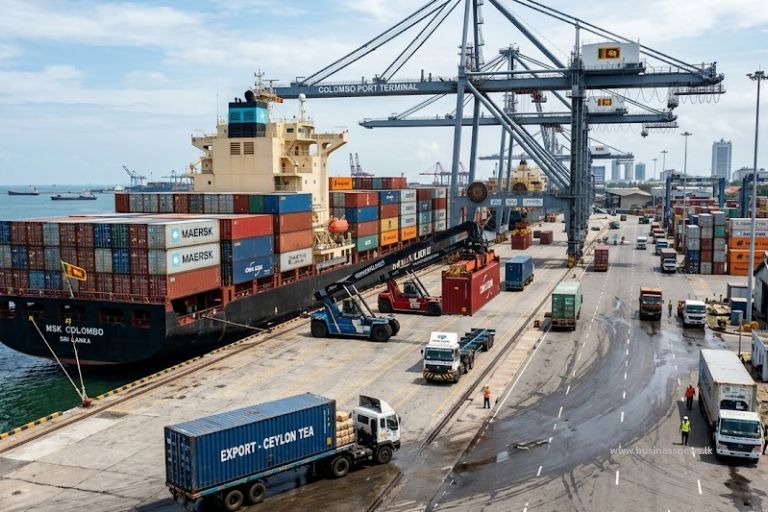
Merchandise exports reached a record US$1.377 billion in September 2026. However, the wider trade deficit continued to grow during the first nine months of the year. Export earnings rose 21.0% from a year earlier in September. The figure also beat the previous monthly record of US$1.302 billion, set in July 2025.
The strong export result helped reduce the monthly trade gap. Export growth was much higher than import growth during September.
The wider picture tells a different story. Merchandise exports reached US$10.754 billion from January to September. This was a 5.3% increase from the same period in 2025.
Imports rose much faster. Merchandise imports reached US$18.666 billion, up 21.3% from a year earlier.
As a result, the trade deficit widened to US$7.912 billion. It was US$5.174 billion during the same period in 2025.
Import demand remains a key pressure
September showed a better balance between exports and imports. Merchandise imports rose 2.9% year-on-year to US$2.109 billion. This was far below the 21.0% growth recorded in exports.
The monthly trade deficit therefore fell to US$731.3 million. It was US$910.1 million in September 2025.
But import spending remains much higher across the first nine months. Fuel imports are one major part of this bill. Monthly spending on fuel fell for the fifth straight month in September.
Even so, total fuel import spending rose 51.5% during January–September. It reached about US$4.5 billion.
The Central Bank also reported a weaker terms of trade. Import prices rose faster than export prices in September.
The same trend was seen across the first nine months of the year.
Vehicle imports fall in September
Vehicle imports showed a different trend from the wider import bill. Spending on personal and commercial vehicle imports fell 34.4% year-on-year in September. It reached US$188 million during the month.
However, total spending on vehicle imports still reached US$1.871 billion during January–September 2026.
This means the September decline has not removed the impact of vehicle imports on the year’s import bill.
The monthly figures also need to be viewed separately from the nine-month total. A fall in September does not mean vehicle import spending has fallen across the full year.
Remittances remain a strong foreign exchange source
Workers’ remittances continue to provide a major source of foreign exchange. Remittances increased 5.6% year-on-year to US$734.4 million in September.
From January to September, remittances reached US$6.865 billion. This was an 18.1% increase from the same period in 2025. The services sector, however, provided less support to the external account.
The services surplus fell 34.3% year-on-year to US$118.7 million in September. Higher payments for services, especially travel and air transport, drove much of the decline.
The January–September services surplus fell 22.3% to US$2.213 billion.
Tourism also recorded a mixed result. Tourist arrivals fell 0.3% year-on-year in September. Arrivals during the first nine months were down 1.8% from the same period in 2025.
Tourism earnings increased 1.5% in September to US$185.6 million. But earnings for January–September fell 9.2% to US$2.245 billion.
The tourism earnings figures use the revised methodology introduced by the Sri Lanka Tourism Development Authority in 2026. The new method was also applied to earlier 2026 monthly estimates.
Current account moves back into deficit
The external current account returned to a deficit in September after recording a surplus in August. The September deficit was US$128.4 million. It was lower than the US$193.8 million deficit recorded in September 2025.
For January–September, the current account recorded a deficit of US$420.4 million.
The primary income deficit also increased during September. It reached US$240.6 million, compared with US$152.4 million a year earlier. The Central Bank linked the increase mainly to higher dividend payments on direct investment.
Foreign investment flows were also mixed during the month.
Foreign investment in the government securities market recorded a net outflow of US$39.9 million. Foreign investment in the Colombo Stock Exchange recorded a net outflow of US$4.7 million. Gross official reserves stood at US$6.9 billion at the end of September. This includes the swap facility with the People’s Bank of China.
The reserves provided 3.3 months of import coverage.
The September figures therefore show two different sides of the external sector. Exports reached their highest monthly level on record. Remittances also continued to grow strongly.
But imports have increased much faster than exports during the first nine months. This has pushed the trade deficit to US$7.912 billion.
The latest data also show continued pressure from tourism earnings, services outflows and the wider cost of imports.
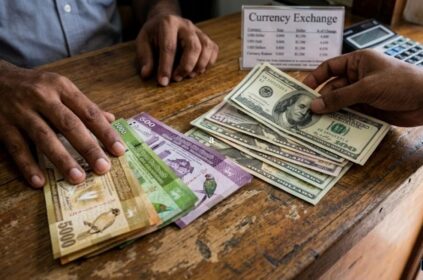
By the end of October, the rupee had depreciated 6.8% against the US dollar on a year-to-date basis. The exchange rate stood at Rs.332.61 per US dollar at end-October, compared with Rs.309.99 at end-2025.

Central Bank of Sri Lanka (CBSL) Import and Export
Last modified: November 1, 2026