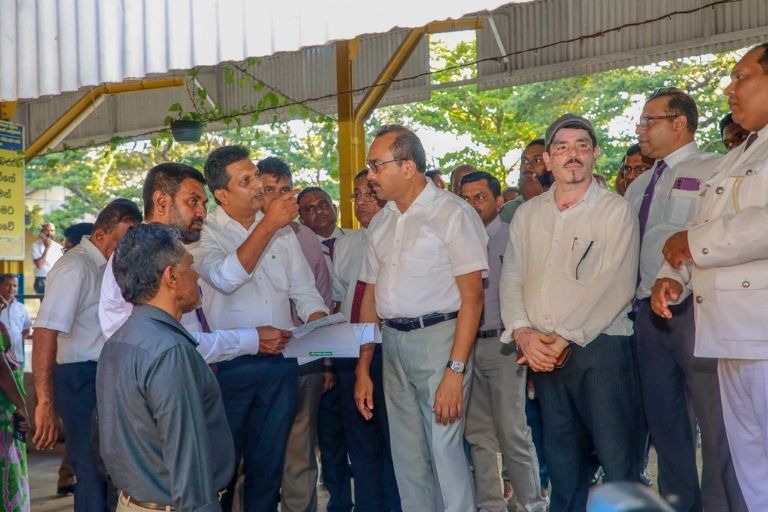
CIC Holdings is investing around Rs. 40 million to renovate Hingurakgoda railway station in Polonnaruwa.
The project is part of a wider programme to upgrade 100 railway stations through public-private partnerships. Renovation work began on September 3 under the Clean Sri Lanka program. Hingurakgoda is the second station in the district to enter the programme, following the completed upgrade at Kaduruwela.
The investment comes as the station prepares for its first major development in about 45 years. The facility currently operates with limited passenger amenities despite serving people along the Eastern railway line. It also supports the movement of agricultural produce from the surrounding area.

Why Hingurakgoda station matters?
Hingurakgoda sits on the railway line between Gal Oya and Polonnaruwa. That gives the station a role beyond daily passenger travel, particularly for communities and businesses involved in agriculture. Better facilities could therefore improve the experience of passengers while supporting an important local transport link.
For farmers and traders, railway connections can help move agricultural goods beyond the immediate production area. The station’s role in transporting produce makes its condition relevant to the local economy. Any improvement in facilities could therefore benefit more than the people waiting for trains.
The renovation also shows how private companies can fund improvements to public transport assets. CIC Holdings is providing the financing for the project, while the railway remains part of the public transport network. The arrangement forms part of a broader government effort to bring private-sector funding into station development.

A wider 100-station program
The national programme aims to modernise 100 railway stations through public-private partnerships. It was launched in 2025 under the Dream Destination initiative, with the Clean Sri Lanka programme working with the Transport Ministry and Department of Railways.
The programme is designed to improve station cleanliness, safety, accessibility and passenger comfort. It also provides a way for private companies to support improvements without relying entirely on government funding. The wider plan includes physical upgrades as well as modern technology and digital services.
The first station completed under the program was Thalpe, which reopened in January 2026 after its renovation. Narahenpita followed in July, giving the programme two completed stations before work moved to other locations.
Hingurakgoda now becomes another test of how the model can work outside major urban areas. Its location and links with agricultural activity give the project a different local purpose from upgrades focused mainly on commuter traffic.
What happens next?
The immediate focus will be completing the renovation and bringing improved facilities to passengers and other railway users. The government has also said the wider programme will support improvements to public transport services, technology and digitalisation.
For the private sector, the project shows a practical way to participate in transport infrastructure through specific station-level investments. For communities, the outcome will depend on whether better physical facilities also translate into a more useful railway service.
The Hingurakgoda project is therefore more than a station renovation. It is part of a larger attempt to use public-private partnerships to improve railway assets while linking transport infrastructure more closely with local economic activity.
Last modified: September 7, 2026