Flying from Australia to Europe has always meant one thing for most travellers—a stop somewhere along the way. Whether it was Singapore, Dubai or another major hub, long-haul journeys have traditionally been broken into two flights.
That could soon change.
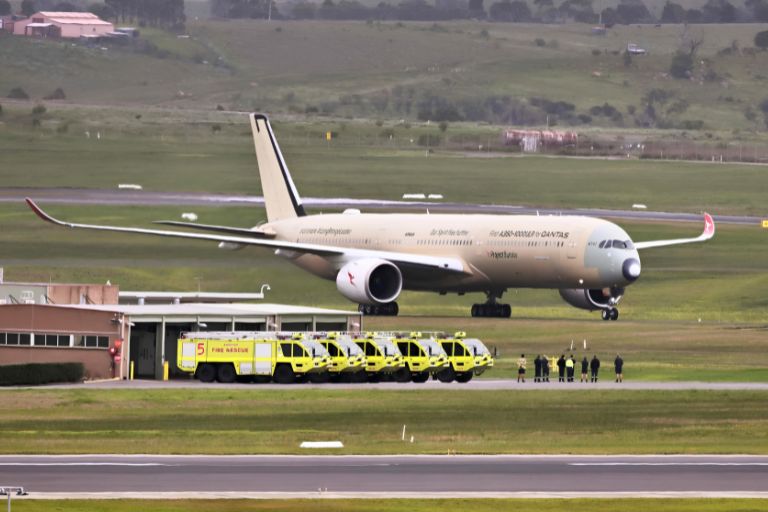
Airbus has completed a test flight lasting more than 24 hours, bringing Qantas’ Project Sunrise a step closer to making nonstop passenger flights between Australia and Europe a reality.
A test designed to push the limits of long-haul flying
The specially modified Airbus A350-1000ULR took off from Melbourne and flew continuously for 24 hours and 24 minutes before landing at Airbus’ headquarters in Toulouse, France.
During the flight, the aircraft covered 23,075 kilometres without stopping, thanks to an additional fuel tank designed for ultra-long-range operations.
The aircraft is currently undergoing a two-month testing programme as Airbus prepares it for commercial service with Qantas.
The milestone also captured global attention. According to Flightradar24, more than 3.6 million people followed the flight online, making it the second most-tracked flight in the platform’s history.
Project Sunrise could reshape long-haul travel
Qantas plans to use the modified aircraft to launch nonstop flights from Sydney to London from 2027, with New York also included in its long-term plans.
The airline has ordered 12 Airbus A350-1000ULR aircraft, each designed to carry 238 passengers and equipped with an additional 20,000-litre fuel tank to support flights lasting around 20 hours.
If successful, the services would remove the need for traditional stopovers and cut what was once a five-day journey along the historic Kangaroo Route into a single flight lasting between 19 and 21 hours, depending on weather conditions and flight paths.
The first aircraft is expected to be delivered in April 2027, with daily nonstop Sydney-London services planned to begin in October 2027.
The race to fly farther
Airlines have spent decades extending the range of commercial aircraft, allowing passengers to travel farther with fewer connections.
In 2005, a Boeing 777-200LR Worldliner set a record by flying 21,601.7 kilometres from Hong Kong to London in 22 hours and 42 minutes.
Airbus’ latest test flight has now gone even further, demonstrating how aircraft design and fuel efficiency continue to expand the possibilities of long-haul aviation.
For airlines, nonstop ultra-long-haul services are about more than breaking records. They offer the potential to save travellers time, reduce transit hassles and strengthen direct connections between major global cities. If Project Sunrise succeeds, it could mark one of the biggest changes in long-distance air travel in decades.
More:
GoodWe Brings Industry Together to Explore the Future of Solar and Energy Storage
AI & Technology Airlines & Aviation
Last modified: July 29, 2026