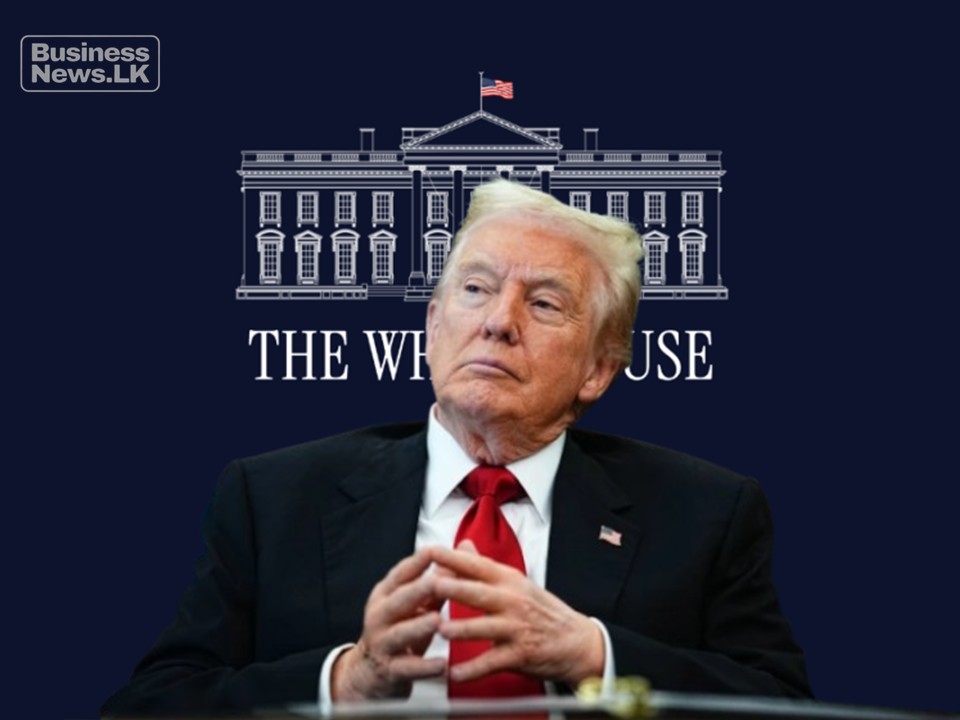
US President Donald Trump has created a new federal task force to coordinate the country’s approach to artificial intelligence, placing Director of National Intelligence Jay Clayton at its head.
Trump has named the group the “Super Intelligence Force”, saying it will help ensure that the United States remains a leader in advanced AI development.
The task force will bring together senior officials from across the US government. It will also engage technology companies, critical infrastructure providers, public-interest groups, consumers and other organisations.
Clayton will lead the initiative while continuing in his role as Director of National Intelligence. The group will report directly to Trump and White House Chief of Staff Susie Wiles.
AI Moves Further Into National Strategy
Putting the intelligence chief at the centre of the initiative gives the latest US AI policy move a broader strategic dimension.
Clayton’s task force is expected to examine the risks and opportunities linked to advanced AI. It will also look at how the federal government currently responds to AI-related incidents, including breaches and hacks, and consider ways to improve that response.
Other senior officials joining the effort include Federal Trade Commission Chairman Andrew Ferguson, Pentagon technology official Emil Michael and Office of Personnel Management Director Scott Kupor.
The group is expected to coordinate government engagement with businesses developing advanced AI systems, as well as organisations that could be affected by their deployment.
For Washington, the issue is no longer limited to technology development. AI increasingly touches national security, critical infrastructure, public services and economic competitiveness.
Trump Wants the US to Stay Ahead
Trump said the new force will coordinate federal efforts to ensure that America continues to lead in “Super Intelligence”.
His administration has placed considerable emphasis on maintaining US leadership in advanced AI, particularly as American companies compete globally in a rapidly developing market.
Clayton has previously described the stakes in competitive terms, saying the risk of not being first in advanced AI is high. The new task force is expected to report on the risks and opportunities associated with the technology within 120 days.
That gives the initiative a practical role beyond its unusual name. Its work could influence how different parts of the US government respond to increasingly capable AI systems.
From AI to “Super Intelligence”
The new task force follows another significant change announced by Trump last week.
On September 29, Trump signed an executive order directing US executive departments and agencies to use “Super Intelligence” and “SI” instead of “Artificial Intelligence” and “AI” in official correspondence, public communications, websites, reports and other non-statutory documents.
The order says current frontier systems have capabilities that go beyond what was originally envisioned when the term artificial intelligence was introduced.
For federal purposes, the order defines “Super Intelligence” and “SI” as covering technologies and systems currently encompassed by the existing legal definition of artificial intelligence.
It also directs the administration to develop proposed legislation within 60 days for a federal definition of “Super Intelligence” and “SI”.
Technology Companies Face Growing Safety Pressure
Trump’s latest move comes as concerns over AI safety continue to grow.
Last week, senior executives from several major technology companies signed a voluntary agreement covering safety measures for advanced AI systems.
Companies including OpenAI, Anthropic, Google, Meta, Nvidia and SpaceX agreed to strengthen internal controls and use independent external auditors as part of the voluntary framework.
The agreement came amid growing public and political concern about how quickly AI capabilities are developing.
Trump has generally opposed broad government regulation that could slow US technology companies. His administration has instead placed considerable emphasis on voluntary safeguards and maintaining American competitiveness.
Sam Altman Argues for Public Access
OpenAI Chief Executive Sam Altman has taken a similar position on the balance between AI benefits and risks.
In an interview published on October 4, Altman argued that society should accept some risks because of the benefits that advanced AI can provide, while allowing people to retain access to the technology.
His comments come as technology companies face increasing pressure to demonstrate that increasingly capable systems can operate safely.
That debate now sits alongside a broader question for governments: how much oversight should accompany the development of increasingly powerful AI?
Musk Follows the New Terminology
Elon Musk has already indicated that his companies will adopt Trump’s preferred terminology.
Musk said on October 4 that SpaceX would rename its AI division from SpaceXAI to SpaceXSI.
He also described SpaceX as a “super intelligence company”, following Trump’s push to replace the term artificial intelligence with “super intelligence”.
The change shows how the new terminology is beginning to appear beyond government communications.
For the technology industry, however, the more important development may be the growing involvement of governments in decisions about advanced AI.
A New Phase for AI Policy
Trump’s new task force brings together national security, regulation, defence, government operations and technology policy under one federal initiative.
That reflects how advanced AI is becoming connected to areas far beyond software and consumer applications.
The United States is now trying to maintain its technological lead while responding to concerns about safety, security and public trust.
With the intelligence chief leading the new force, Washington is signalling that advanced AI has become a strategic issue at the highest levels of government.
More:
G.L. Peiris Trust Established to Support Legal Education and Research
Last modified: October 5, 2026