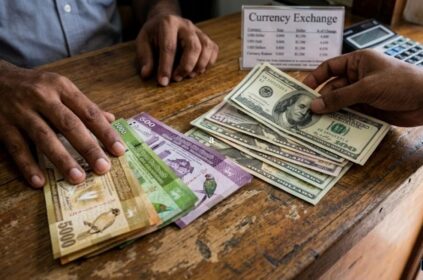
The Central Bank bought a record US$579 million from the domestic foreign exchange market in August.
The purchases mark a major increase in foreign-currency buying as the Central Bank rebuilds its external financial buffers. CBSL data show the purchases were made on a value-date basis during the month. The latest available gross official reserves stood at US$6.6 billion at end-July, including proceeds from the People’s Bank of China swap arrangement.
The US$579 million figure is important because it shows the Central Bank was buying dollars from the domestic market rather than selling them to support the rupee. That gives the Central Bank an opportunity to add foreign-currency assets while allowing market conditions to determine the exchange rate. The rupee strengthened from around Rs.336 to Rs.328 against the US dollar during August, according to reports based on the latest data.
Why the dollar purchases matter?
Foreign-exchange purchases can help the Central Bank build a larger buffer against future external shocks. That buffer can become important when the country faces higher import payments, weaker inflows or pressure on the currency. However, the US$579 million purchase should not be treated as a direct US$579 million increase in usable official reserves.
Official reserves can change for several other reasons during the same period. Foreign debt payments, foreign-currency receipts, valuation changes and other Central Bank transactions can all affect the reserve balance. The latest reported reserve figure therefore remains the end-July amount until CBSL releases the official end-August position.
The August purchases follow another large intervention in July. CBSL bought around US$348 million from the domestic market that month, according to reports based on Central Bank data. The two months together show the scale of foreign-currency purchases taking place as the external position continues to recover.
For businesses, movements in the foreign-exchange market affect import costs, export receipts and decisions about when to convert foreign currency. A stronger reserve position can also improve the Central Bank’s ability to respond when external conditions change. The effect on individual businesses, however, depends on future exchange-rate movements and market conditions.
Debt remains a major part of the picture
Alongside the foreign-exchange figures, CBSL data show outstanding central government debt stood at Rs.30.53 trillion at end-April 2026. Domestic debt accounted for Rs.18.85 trillion, while the rupee value of outstanding foreign debt stood at Rs.11.68 trillion.
The government securities market has remained relatively steady in recent weeks. Treasury Bill yields were broadly stable in the primary market, although the 182-day yield recorded a marginal decline. Treasury Bill and Treasury Bond yields also edged lower in the secondary market.
Foreign investor holdings of Treasury Bills and Treasury Bonds remained broadly stable in rupee terms compared with the previous week. The latest Treasury Bill auction was also oversubscribed by around 2.5 times, showing continued demand for government securities.
These figures provide a broader view of the financial market alongside the Central Bank’s foreign-exchange activity. The dollar purchases point to stronger accumulation of foreign-currency assets, while the debt figures show the size of the government’s outstanding financing obligations.
What to watch next?
The next important figure will be the official gross reserve position at end-August. That number will show how the reserve stock changed after accounting for the Central Bank’s purchases and other foreign-currency movements during the month.
Markets will also be watching the rupee, foreign investor flows and Treasury yields. Together, those indicators will show whether the current foreign-exchange conditions are translating into broader stability across financial markets.
For now, the US$579 million purchase is a clear sign that the Central Bank has been able to buy substantial foreign currency from the domestic market. The bigger test will be whether the stronger external position can be maintained as imports, debt payments and other foreign-currency needs continue.
More:
CIC Invests Rs. 40 Million to Renovate Hingurakgoda Railway Station
Central Bank of Sri Lanka (CBSL)
Last modified: September 7, 2026