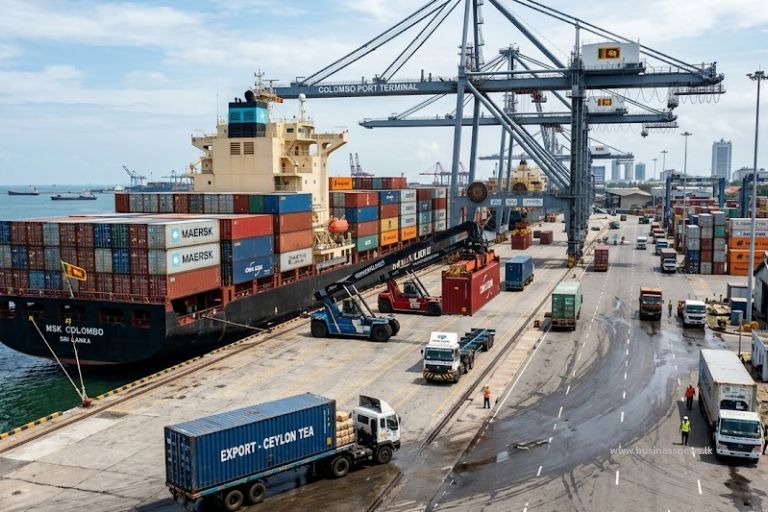
The Government has banned the import of goods made wholly or partly using forced labour, introducing new rules for businesses bringing products into the country.
The new regulation took effect on 10 July after President Anura Kumara Dissanayake, as Minister of Finance, Planning and Economic Development, issued the order.
Importers Must Provide Proof
Importers must now give the Director General of Customs documents showing that their goods were not mined, manufactured or produced using forced labour.
In addition, the Government will identify the goods and countries covered by the regulation from time to time. It will consider decisions made by the International Labour Organization (ILO) before updating the list.
What Changes for Businesses?
The new rule applies to any product made wholly or partly using forced labour.
Therefore, businesses must check their supply chains and keep the required documents before importing goods.
This places greater responsibility on importers to know where their products come from.
Many countries have introduced stricter rules on products linked to forced labour. As a result, businesses now face greater pressure to show that their supply chains meet international labour standards.
The new regulation also supports the country’s efforts to improve trade practices and build confidence among international trading partners.
International Context
The Government introduced the new rule as global attention on forced labour continues to grow.
Recently, U.S. President Donald Trump proposed additional import tariffs on goods from several countries, including Sri Lanka, citing concerns over products linked to forced labour.
The new regulation directly addresses those concerns by banning such imports.
More:
Oil Prices Increasing as Middle East Tensions Threaten Supply Routes
Last modified: July 13, 2026