Tourists planning to visit Sri Lanka may soon find it easier and cheaper to enter the country after the Committee on Public Finance approved free 30-day Electronic Travel Authorisation (ETA) visas for citizens of 40 selected countries.
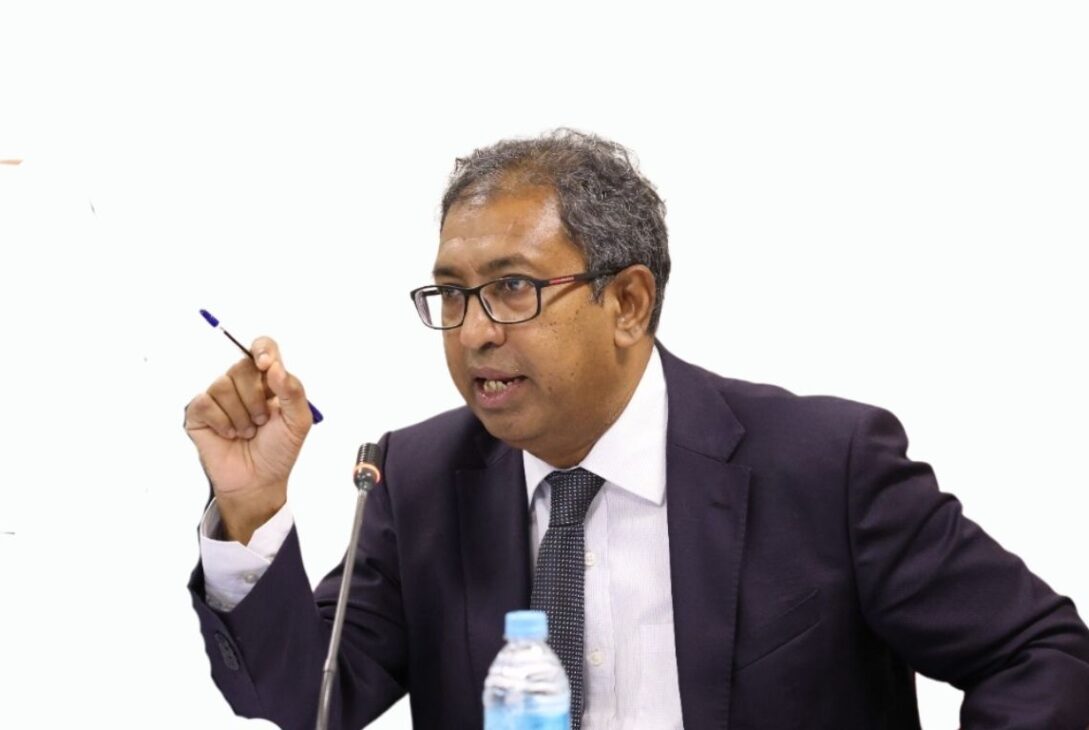
The approval came during a recent COPF meeting held in Parliament under the chairmanship of Harsha de Silva.
According to Parliament, the new regulations under the Immigration and Emigration Act will allow eligible foreign travellers to receive free ETA approval for short-term visits to Sri Lanka.
Tourism Industry Expected to Benefit
Authorities hope the move will attract more international visitors by reducing travel costs and simplifying entry procedures.
The programme is currently planned for one year. However, officials say the government may extend it further after reviewing the results.
Tourism industry operators believe the free ETA system could improve arrivals from key travel markets, especially at a time when countries across Asia are competing aggressively for tourists.
For travellers, the decision could make Sri Lanka a more attractive destination for holidays, business visits, wellness tourism, and short stays.
Extra Security Measures Added
The committee also reviewed follow-up matters linked to the Auditor General’s report on Sri Lanka’s electronic visa system, which Parliament discussed in 2024.
Officials from the Department of Immigration and Emigration informed the committee that investigations into the visa system are still ongoing with police support.
At the same time, authorities say they have now added extra security measures to strengthen the online visa process and reduce cyber-related risks.
Applicants checking their visa status online must now provide their date of birth and passport number along with the previous reference number.
Illegal Tourism Businesses Under Watch
COPF members also questioned officials about foreign tourists allegedly operating illegal tourism-related businesses inside Sri Lanka.
Officials said joint operations with the police continue during peak tourism periods to identify such individuals. Authorities then cancel the visas of offenders and deport them back to their home countries.
More Stories:
Sri Lanka’s New Ethiopian Ambassador Eyes Stronger Trade
Last modified: May 8, 2026