A new push has begun to accelerate the country’s digital payment transition.
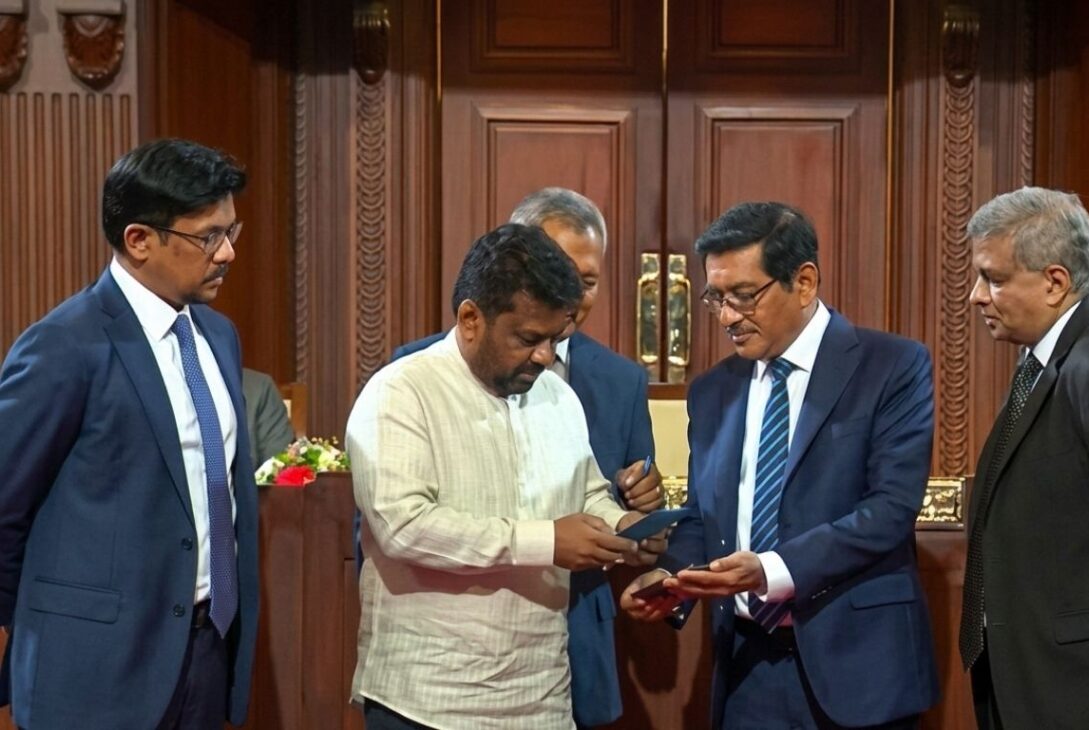
The National QR Payment Promotion Programme was officially launched today under the patronage of President Anura Kumara Dissanayake, marking a fresh step in the country’s move toward a cash-lite economy.
From today, the merchant service charge on all LankaQR transactions up to Rs. 5,000 has been fully removed, according to the President’s Media Division.
Zero Merchant Fee for Small Transactions
Under the new initiative, merchants will no longer have to pay the Merchant Discount Rate (MDR) on LankaQR payments up to Rs. 5,000.
Authorities say this will allow small-scale businesses and retailers to accept digital payments without facing additional transaction costs.
The move is expected to improve QR adoption among micro and small merchants, especially in everyday retail trade.
Strong Digital Base, But Low QR Usage
The programme builds on an already established digital payments infrastructure.
Officials said:
- 89% of adults already have access to banking services
- The CEFTS system processes 68 million transactions per quarter
- Those transactions amount to around Rs. 6.3 trillion
- LankaQR is now accepted at around 450,000 merchant locations
- More than 20 financial institutions support the system
Despite this, currency in circulation remains high at Rs. 1.48 trillion, while monthly LankaQR transaction value stood at only around Rs. 395 million as of the third quarter of 2025.
This gap, authorities say, highlights the need to shift more consumers and merchants toward digital payment habits.
Incentives and Nationwide Promotion
To boost adoption, the programme will also introduce a special raffle scheme for both consumers and merchants.
Participants will have the chance to win cash prizes of up to Rs. 1 million, with weekly and monthly winners selected under the programme.
In parallel, a nationwide awareness campaign in Sinhala, Tamil, and English will begin from today to improve public awareness and usage.
Officials also introduced a Social Visibility Index covering all 25 districts, aimed at ensuring transparency and fair implementation across the country.
Push Toward a Digital Economy
Authorities say the initiative goes beyond payment technology and forms part of a broader effort to build a more inclusive, transparent, and digitally connected economy.
By encouraging QR-based transactions, the government aims to reduce cash dependence while promoting faster, safer, and more traceable payment behaviour across the country.
Last modified: April 6, 2026