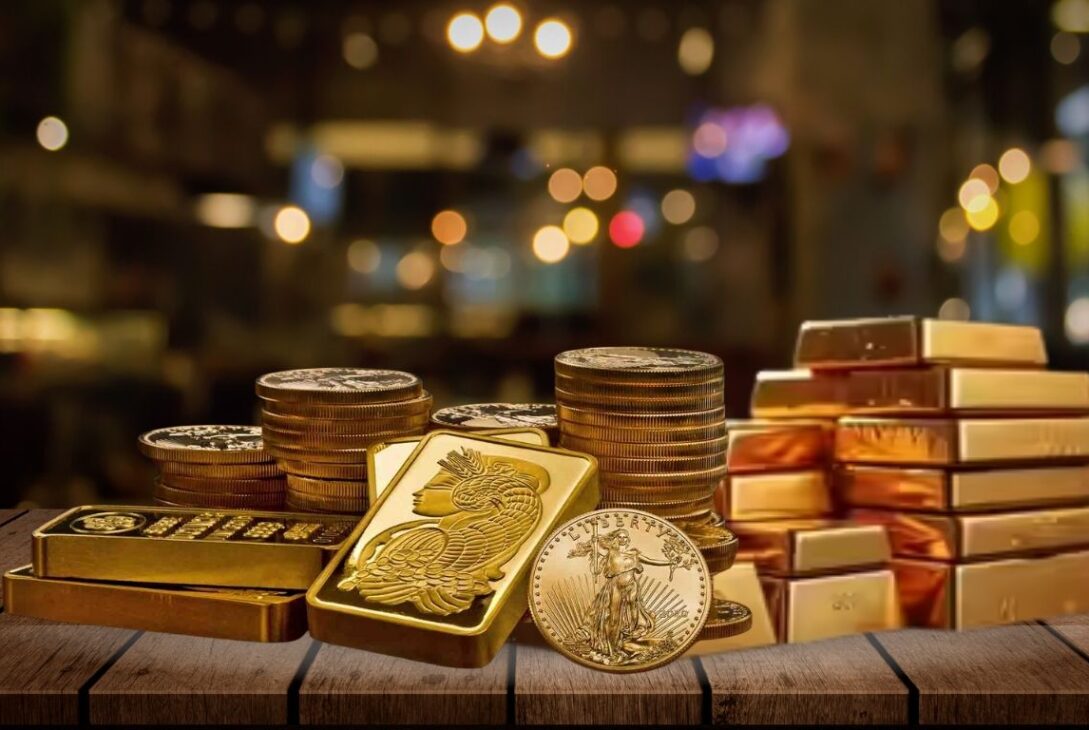
Global markets have shown heightened volatility this year as policy uncertainty and geopolitical tensions prompted investors to shift toward safe-haven assets such as gold.
Drivers of the rally
Market participants pointed to rising policy risk surrounding the Jerome Powell, who is under investigation as federal prosecutors examine aspects of a renovation project and his testimony to Congress. The probe has spurred discussions about the independence of the U.S. Federal Reserve, triggering speculation that any change in leadership could accelerate interest-rate cuts.
Lower interest rates traditionally support gold because they reduce the opportunity cost of holding a non-yielding asset. Recent U.S. economic data suggesting a softer labour market has further fuelled speculation on future rate cuts.
Geopolitical factors and currency reaction
Beyond policy risk, ongoing geopolitical tensions — including unrest in the Middle East and other global flashpoints — have reinforced gold’s appeal as a protective asset. Observers noted that heightened geopolitical risk typically lifts demand for precious metals.
Meanwhile, the U.S. dollar weakened, providing additional support for gold prices as currency markets reacted to evolving policy narratives and safe-haven flows.
The rally in gold also extended to other precious metals, with silver and other assets attracting inflows amid a broader shift away from risk-linked markets.
Editor’s Insight
Gold’s ascent reflects a combination of policy uncertainty, geopolitical risk, and a shift in investor preference toward assets perceived as safer stores of value. Future direction will hinge on central bank policy clarity, geopolitical developments, and macroeconomic data.
Last modified: January 12, 2026