The United Nations (UN) has released US$ 4.5 million in emergency funding to strengthen Sri Lanka’s response to Cyclone Ditwah.
This funding comes from the UN’s Central Emergency Response Fund (CERF). It will support food aid, emergency shelter, and clean water services in the worst-hit areas.
Thousands of families remain displaced across Sri Lanka. Many lost homes, access roads, and daily income. As a result, public welfare costs continue to rise. At the same time, new field reports show that the economic impact of the cyclone is wider than first expected.
Why this funding matters for the economy
First, this emergency funding reduces short-term pressure on:
- Government disaster spending
- Imports of relief supplies
- Health and sanitation services
- Temporary housing programmes
Next, it allows the Government to shift local funds toward road repairs, farm recovery, and small business support. These sectors play a key role in restoring economic activity.

UN commits to steady recovery support
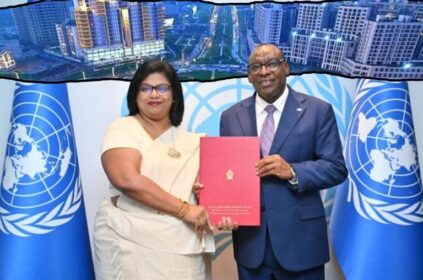
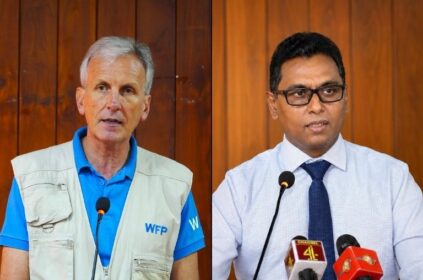
Marc-André Franche said the funding arrived at a critical moment. He said many families still struggle to meet basic needs.
He confirmed that the UN is working closely with the Government, civil society, and aid groups. Together, they aim to ensure a well-coordinated and evidence-based response.
The CERF allows the UN to move funds fast during sudden disasters. This speed helps save lives during the first stages of crisis.
More foreign assistance expected
Meanwhile, the UN plans to expand life-saving aid through a broader Humanitarian Priorities Plan, which is expected this week. This could unlock more global funding for Sri Lanka’s rebuilding phase.
For the economy, steady foreign assistance now plays a key role in protecting recovery momentum after the cyclone.
IMF to release USD 350 million to Sri Lanka within two weeks
Last modified: December 10, 2025