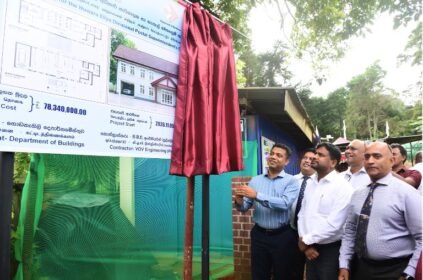
Fruit farmers and traders in Anuradhapura will have access to a new facility designed to support safer and more hygienic fruit ripening.
The fruit ripening chamber aims to help manage the ripening process under controlled conditions. This can help reduce problems linked to unsafe ripening methods and improve the quality of fruits reaching the market.
Agriculture Minister K.D. Lalkantha opened the facility recently. The National Institute of Post-Harvest Management (NIPHM), which operates under the Ministry of Agriculture, Livestock and Land Irrigation, developed it as part of its ongoing work.
How Can a Ripening Chamber Help Farmers?
Fruit does not always ripen at the same speed after harvest. Some fruits need more time before they are ready for sale.
A ripening chamber provides a controlled space to manage this process. As a result, traders can work towards more even ripening instead of relying on unsafe methods.
This matters to farmers because fruit quality can affect how much buyers are willing to pay. Poor handling and uneven ripening can also make it harder to sell produce at the right time.
However, the actual benefits will depend on the types of fruits the facility can handle, its capacity, and the way operators manage the ripening process.
Better Crates for Transporting Fruits
The same event also included the distribution of plastic crates to local fruit vendors.
These crates can help vendors transport fruits more carefully. Unlike rough handling or unsuitable containers, proper crates can reduce pressure and physical damage during transport.
For farmers, collectors and traders, careful handling matters at every stage. Even good-quality fruit can lose value if workers damage it while loading, transporting or storing it.
Plans to Expand the Facility Model
The NIPHM carries out food quality testing, research and work to improve food production standards. It also provides quality certification services.
The Ministry expects to expand the safe fruit ripening initiative to other parts of the country. This could give more farmers and fruit traders access to better ways of preparing produce for the market.
For farmers, the next important step will be to learn how they can use these facilities. Details on access, operating costs, fruit types and daily capacity will help them decide whether the service can support their businesses.

Agriculture Anuradhapura Ministerial Update
Last modified: November 16, 2026