Global oil prices have fallen sharply as Middle Eastern supplies recover and concerns over further military action against Iran ease. Brent crude settled at US$92.57 a barrel on Monday, down 5.85% for the day. Prices continued falling after settlement, losing more than US$7 at one point.
The decline follows a 16% fall in Brent prices last week. This was the steepest weekly drop since the early days of the COVID-19 pandemic.
For Sri Lanka, the lower prices could help reduce the cost of importing petroleum products. They could also ease pressure on transport businesses, manufacturers and other fuel-dependent industries.
However, the benefit will depend on how long prices remain lower and how other import costs change.
Global Oil Supply Begins to Recover
Expectations of reduced military escalation between the United States and Iran have helped ease concerns about oil supplies. US President Donald Trump said further attacks on Iran were unlikely while discussions to end the conflict continued.
However, the situation remains uncertain. Shipping incidents have continued around the Strait of Hormuz, a major route for global oil shipments.
At the same time, more oil is reaching the market as Middle Eastern exports recover. JPMorgan estimated that the global oil market recorded a surplus of around 1.4 million barrels per day in October. A surplus means producers are supplying more oil than consumers need.
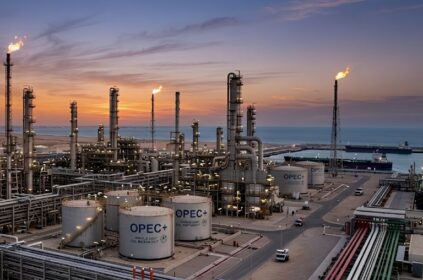
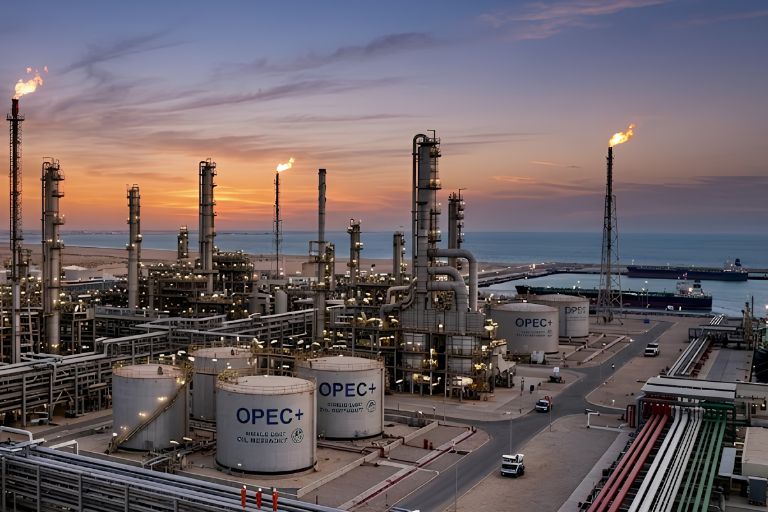
Oil production from OPEC’s 11 members also increased in October. Output rose by 1.38 million barrels per day from the previous month to 22.87 million barrels per day, according to a Reuters survey.
Saudi Arabia, Kuwait and Iraq led much of the increase.
These developments suggest that supply conditions are improving, even though regional security risks remain.
Lower Oil Prices Could Help Sri Lanka?
Sri Lanka depends on imported petroleum products to meet its energy needs. Therefore, changes in international oil prices can affect the country’s fuel import costs. When global oil prices fall, the cost of purchasing petroleum products may also decline. This could reduce the foreign currency needed to pay for fuel imports.
Lower import costs could also help ease pressure on businesses that depend heavily on fuel.
Transport operators, delivery companies and manufacturers are among those exposed to changes in fuel expenses. If lower international prices eventually reduce local fuel costs, these businesses could benefit from lower operating expenses.
Consumers may also benefit if lower energy costs help reduce pressure on transport and distribution expenses. However, Brent crude prices alone do not determine the prices Sri Lankan consumers pay at filling stations.
The cost of refined petroleum products, shipping, insurance, the rupee-dollar exchange rate, taxes and other charges also affect the final price.
Therefore, a sustained decline in international oil prices would be more helpful than a short-term market drop.
Supply Risks Still Remain
Despite the recent decline, the global oil market has not returned to normal conditions.
Shipping incidents around the Strait of Hormuz continue to create uncertainty. Iran has also maintained conditions for negotiations with Washington, while attacks and security concerns in the region remain unresolved.
Saudi Arabia’s East-West pipeline was also struck, although the country’s energy ministry said operations were not affected. These developments show that further disruptions could still affect oil production and exports.
For Sri Lanka, the direction of international oil prices will remain important for fuel imports and business costs.
If global supply continues to recover and prices remain lower, the country could receive some relief from its petroleum import expenses. However, the extent of that benefit will depend on international market conditions and domestic pricing factors.
Last modified: November 10, 2026