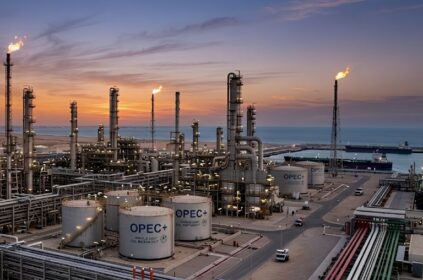
The Sapugaskanda Oil Refinery has generated a reported profit of USD 417 million during the first nine months of this year, while saving more than USD 1 billion in foreign exchange, according to Ceylon Petroleum Corporation (CPC) Chairman D.J. Rajakaruna.
The refinery’s performance comes after it had previously been earmarked for closure and removal from the CPC. Its reported contribution has brought renewed attention to the role of domestic refining in managing the country’s fuel imports and foreign exchange costs.
CPC Chairman Explains Refinery Profits, Fuel Prices and Subsidies
Speaking at a media briefing at the Department of Government Information, CPC Chairman D.J. Rajakaruna said, “The Corporation recorded a profit of Rs. 28 billion during the first nine months of the year.
He expects CPC’s profit to reach Rs. 30 billion by the end of the year, despite the ongoing crisis.
The impact of global fuel prices on local consumers. Comparing current prices with February, he said a litre of petrol had increased from Rs. 292 to Rs. 424. Auto diesel had risen from Rs. 281 to Rs. 397 per litre.
Global fuel prices had increased by around 85%. However, domestic petrol prices had risen by approximately 45%, while auto diesel prices had increased by around 43%.
The difference to government subsidies provided during recent months. These included Rs. 100 per litre for diesel and Rs. 20 per litre for petrol during April, May and June.
The Government had also provided a subsidy of Rs. 70 per litre for diesel last month. In addition, Rs. 41 billion had been allocated for fuel subsidies this month.
These subsidies had helped the CPC maintain local fuel prices below levels that would otherwise reflect the increases in global oil prices.
The possibility of reducing domestic fuel prices as international prices decline. Reports of falling global oil prices had emerged only two days before the briefing, following a prolonged period of increases.
The CPC was closely monitoring the international market and would pass on the benefits to consumers once the price reductions materialized”.

Energy Update Financial Performance
Last modified: November 9, 2026