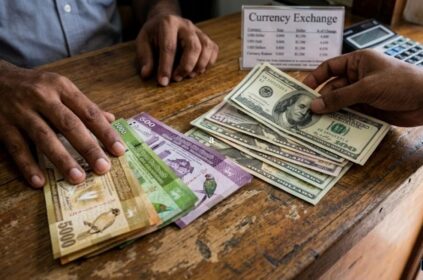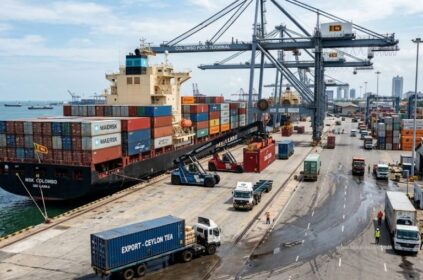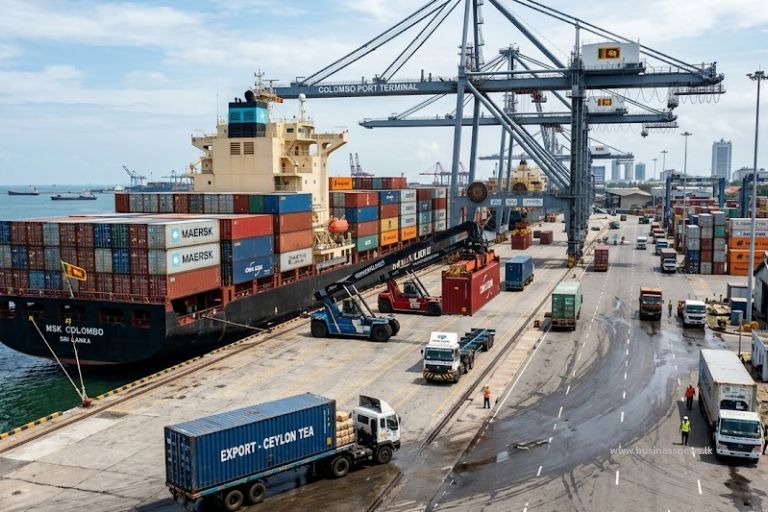
Sri Lanka recorded a current account deficit of US$149 million in June as a wider trade gap and lower tourism earnings continued to weigh on the external sector.
It was the third consecutive month that the country spent more foreign currency than it earned. During the first six months of 2026, the cumulative current account deficit reached US$245 million, reversing the surplus recorded during the same period last year.
The Central Bank said the change mainly reflected a wider merchandise trade deficit. The trade gap widened to US$5.5 billion in the first half of the year, compared with US$3.3 billion a year earlier.
Although spending on motor vehicle imports fell 27.1% in June from the previous month, fuel import costs increased 40.2% from a year earlier. However, fuel costs have started to ease from the higher levels seen earlier this year.
Tourism weakens while remittances provide support
Tourism remained under pressure during June as tensions in the Middle East continued to affect travel demand.
Visitor arrivals fell 9.9% compared with the same month last year. Tourism earnings also declined 10.8% to US$151 million.
Workers’ remittances, however, continued to support the external sector. Inflows increased 9.3% to US$695 million in June.
During the first six months of the year, remittances reached US$4.6 billion, marking a 23.2% increase compared with the same period in 2025.
Rupee depreciation slows
Gross Official Reserves stood at US$6.5 billion at the end of June. The figure includes the swap facility with the People’s Bank of China and reflects external debt repayments made during the month.
The rupee weakened 7.8% against the US dollar during the first seven months of the year. However, the Central Bank said the pace of depreciation has slowed in recent weeks, while market volatility has eased following monetary, fiscal and macroprudential policy measures.
Report: Click Here
Central Bank of Sri Lanka (CBSL) Numbers & Indexes
Last modified: August 1, 2026