Human-elephant conflict has remained one of the country’s biggest wildlife and community challenges for decades. Electric fences, trenches and other measures have helped in some areas, but conflicts between people and elephants continue to affect lives, crops and livelihoods.
Now, the Government is looking at a different approach. Instead of relying only on traditional barriers, it wants to explore whether bamboo bio-fences could offer a more sustainable and environmentally friendly solution.
The proposal gained fresh momentum after China agreed to provide technical and research support during a visit by a Sri Lankan delegation to Beijing.
China offers technical support for bamboo bio-fences
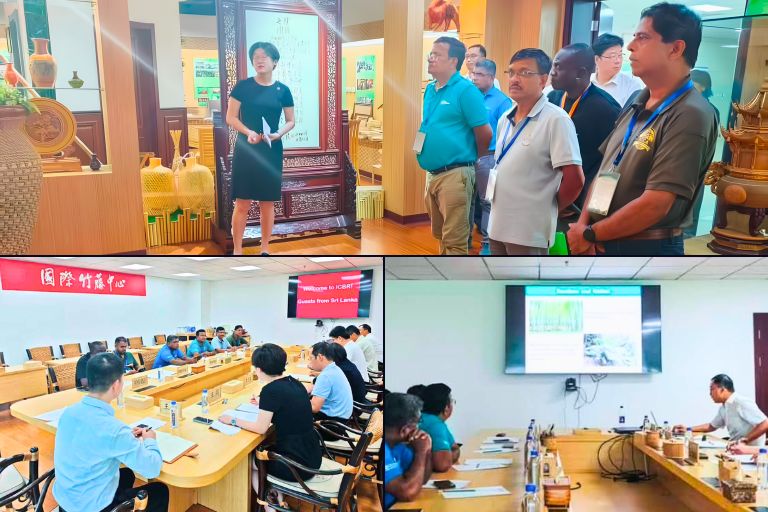
A delegation led by Deputy Environment Minister Anton Jayakody visited the International Center for Bamboo and Rattan (ICBR) in Beijing to discuss bamboo cultivation, modern processing technologies and bamboo-based industries.
During the discussions, the delegation presented a proposal to develop bamboo bio-fences as part of efforts to reduce human-elephant conflict.
China agreed to support the initiative by sharing research, modern technology and international best practices to help assess and develop the concept.
While the proposal is still at an early stage, the collaboration could help determine whether bamboo can become a practical tool for protecting farming communities while allowing wildlife to move more safely through their natural habitats.
Bamboo could offer more than a wildlife solution
The Environment Ministry says the project could create benefits beyond conservation.
If developed successfully, bamboo plantations could support new industries linked to bamboo processing and manufacturing. That could create additional income opportunities for rural communities while supplying raw materials for products used in construction, furniture, handicrafts and other industries.
Unlike conventional fencing, bamboo also grows back naturally and can contribute to soil conservation and environmental restoration when managed properly.
These wider economic and environmental benefits are part of the reason the Government is exploring the proposal alongside its wildlife management objectives.
A different way of thinking about conservation
Human-elephant conflict has often been addressed through measures that focus on keeping people and elephants apart. The bamboo bio-fence proposal introduces a broader idea by combining conservation, environmental management and rural economic development.
Whether bamboo fences can reduce conflicts on a larger scale will depend on research, field testing and long-term monitoring. However, China’s technical support provides an opportunity to examine the concept using scientific evidence before any wider implementation.
If the approach proves effective, it could become another tool in addressing one of the country’s most persistent conservation challenges while creating new opportunities for communities living alongside wildlife.
Developments Ministerial Update
Last modified: July 29, 2026