The Sri Lankan rupee has depreciated by 8% against the US dollar so far in 2026, according to the Central Bank of Sri Lanka (CBSL), reflecting growing pressure from global currency markets rather than domestic economic instability.
At the close of trading on Friday (26), the CBSL quoted the US dollar buying rate at Rs. 332.22 and the selling rate at Rs. 341.87.
Currency depreciation means it now takes more rupees to buy one US dollar. This can increase the cost of imported goods, overseas travel, fuel and other products priced in foreign currencies. At the same time, it can improve the competitiveness of exporters by increasing the rupee value of their foreign earnings.
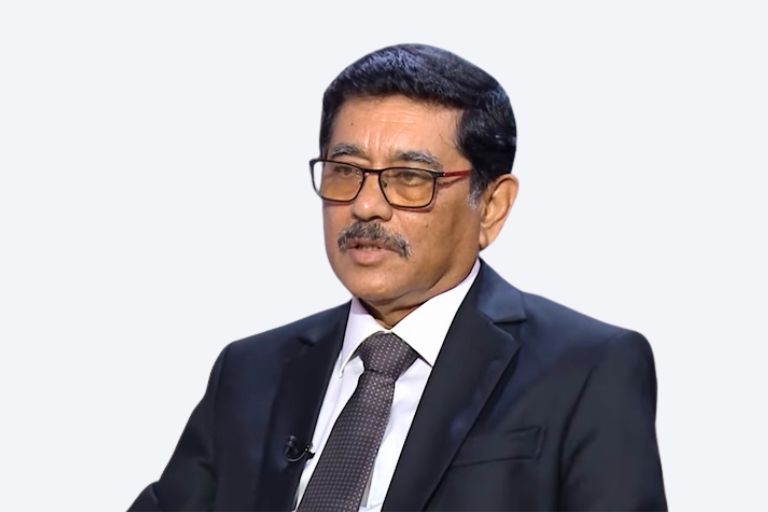
CBSL Governor Dr. Nandalal Weerasinghe recently said
The current depreciation differs fundamentally from the sharp currency crisis experienced in 2022.
“He explained that the rupee’s collapse in March and April 2022, when it fell to around Rs. 370 against the US dollar, was driven mainly by domestic economic problems, including severe shortages of foreign exchange. During that period, most regional currencies remained relatively stable.”
In contrast, the current movement is taking place alongside similar depreciation in several regional currencies as the US dollar strengthens amid global economic uncertainty. This suggests external market conditions, rather than domestic policy failures, are the main driver of the rupee’s decline this year.
For businesses that rely heavily on imported raw materials, machinery or consumer goods, a weaker rupee could increase operating costs if the trend continues. Companies with export earnings, however, may benefit from receiving more rupees for the same amount of foreign currency income.
For households, a weaker currency may gradually contribute to higher prices for imported products and services, although the overall impact will also depend on global commodity prices and domestic inflation.
Businesses and consumers will continue to watch movements in the exchange rate, global financial markets and the strength of the US dollar, as these factors are expected to influence the rupee’s performance in the coming months.
Central Bank of Sri Lanka (CBSL) Daily Exchange Rate
Last modified: June 29, 2026