Less than two years after India and Sri Lanka resumed passenger ferry services, authorities are expanding commercial activities at the Nagapattinam International Passenger Terminal by inviting private operators to run duty-free retail and foreign exchange facilities.
The Tamil Nadu Maritime Board (TNMB), which built and operates the terminal, has issued separate tenders for duty-free shop space and a foreign exchange service. The move reflects growing confidence in passenger demand and the long-term commercial potential of the ferry route.
The development goes beyond adding new passenger services. It signals that the terminal is evolving into a fully functioning international gateway with facilities commonly found at airports and major seaports.
Passenger Growth Creates New Business Opportunities
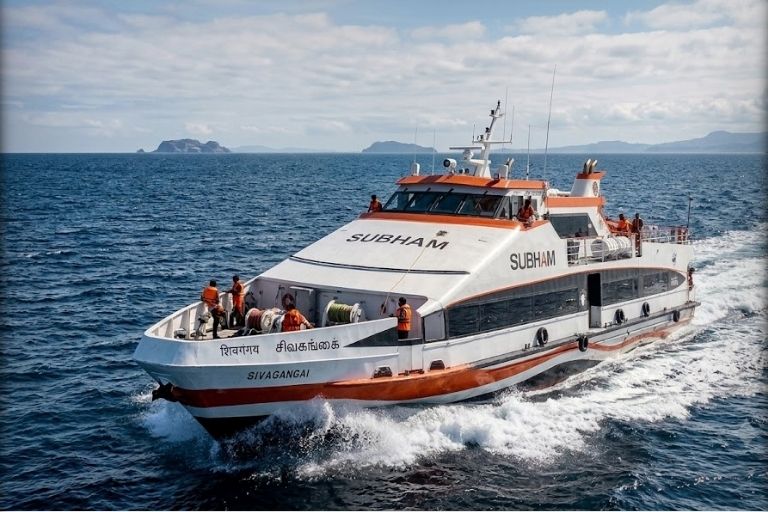
The Nagapattinam–Kankesanthurai ferry, which can carry up to 150 passengers per voyage, has transported more than 25,000 passengers since operations began in August 2024.
According to the TNMB, the route has attracted tourists, business travelers and members of the Tamil diaspora travelling between India and Sri Lanka. Rising passenger numbers have created demand for additional commercial services within the terminal.
Duty-free shopping and foreign exchange facilities are standard features at international passenger terminals, offering travelers greater convenience while creating new revenue opportunities for terminal operators.
Retail and Financial Service Providers Stand to Benefit
The new tenders open opportunities for businesses in the travel retail and financial services sectors to operate within the international terminal.
Duty-free operators will be able to serve international passengers purchasing tax-exempt goods before departure or after arrival. Foreign exchange providers will offer currency conversion services, reducing the need for travellers to arrange exchanges before reaching the terminal.
These businesses also generate additional non-ticket revenue for port operators, making passenger terminals less dependent on transport income alone.
Ferry Route Strengthens Cross-Border Travel
The expansion of commercial facilities suggests the ferry service has developed beyond a transport link into a growing travel corridor between India and Sri Lanka.
As passenger numbers continue to increase, additional retail, financial and tourism-related services could emerge around the terminal, supporting local businesses and improving the travel experience for visitors on both sides of the Palk Strait.
The latest tenders indicate that authorities expect the ferry route to remain an active international passenger connection and are investing in the commercial infrastructure needed to support future growth.
Last modified: June 28, 2026