Over 92% of product lines now qualify for duty-free access to the United Kingdom, strengthening export prospects under the UK’s Developing Countries Trading Scheme.
UK Trade Scheme Expands Market Access
The UK introduced the Developing Countries Trading Scheme (DCTS) on 19 June 2023, granting preferential access to 65 developing countries, including Sri Lanka.
As a result, a large share of exports now enters the UK market without import duties. This move has improved price competitiveness for exporters across multiple sectors.
Liberalised Rules Boost Apparel Sector
In addition, the UK implemented liberalised rules of origin under the DCTS from 1 January 2026. These changes created a strong advantage for export industries, especially apparel.
Under the revised framework, apparel manufacturers can now source up to 100% of raw materials globally. Despite this flexibility, exporters still qualify for zero-tariff access when shipping garments to the UK.
This change marks a clear shift from earlier rules and improves supply chain flexibility, cost control, and production planning.
Apparel Exports Remain Key Driver
Apparel exports to the UK reached around USD 660 million in 2024. During January to December 2025, exports stood at about USD 610 million.
Notably, apparel accounts for nearly 73% of total exports to the UK. Therefore, the revised DCTS rules carry major importance for export earnings and industrial growth.
Simpler Compliance Under New Framework
Meanwhile, the revised scheme removed earlier processing requirements. Exporters no longer need to complete two major manufacturing stages locally.
As a result, compliance has become simpler. This change also strengthens competitiveness in the UK apparel market.
Benefits Extend Beyond Apparel
Beyond apparel, the revised DCTS offers benefits to other export sectors as well.
Manufacturers can now source inputs from the Asia Regional Cumulation Group, which includes 18 countries. These inputs still qualify as Sri Lankan-origin goods for DCTS purposes.
This expanded cumulation option gives exporters more sourcing freedom while retaining zero or reduced tariff benefits.
Trade Talks Reinforce Cooperation
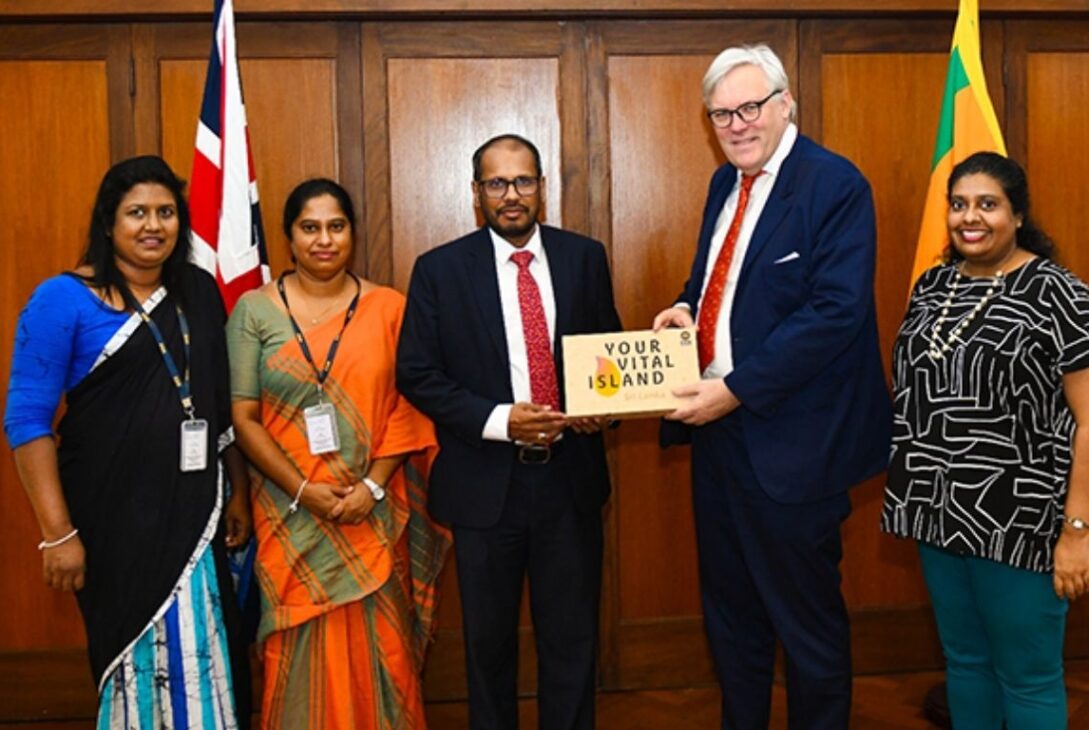
Against this backdrop, Mangala Wijesinghe, Chairman and Chief Executive Officer of the Sri Lanka Export Development Board, held discussions with Andrew Patrick.
The talks focused on new trade opportunities under the revised DCTS. Discussions also covered Sri Lanka Expo 2026 and brand promotion initiatives aimed at strengthening market presence in the UK.
Positioning for Global Supply Chains
Overall, the revised DCTS positions exporters to play a stronger role in the UK and global supply chains.
The reforms support export diversification, encourage job creation, and promote sustainable growth. They also reinforce long-term trade cooperation between Sri Lanka and the United Kingdom.
Visited 57 times, 1 visit(s) today
Last modified: January 20, 2026