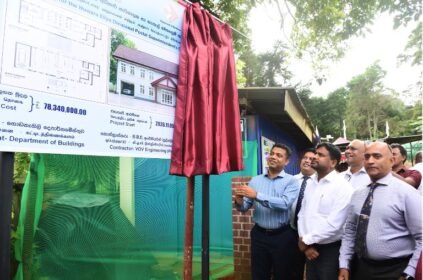
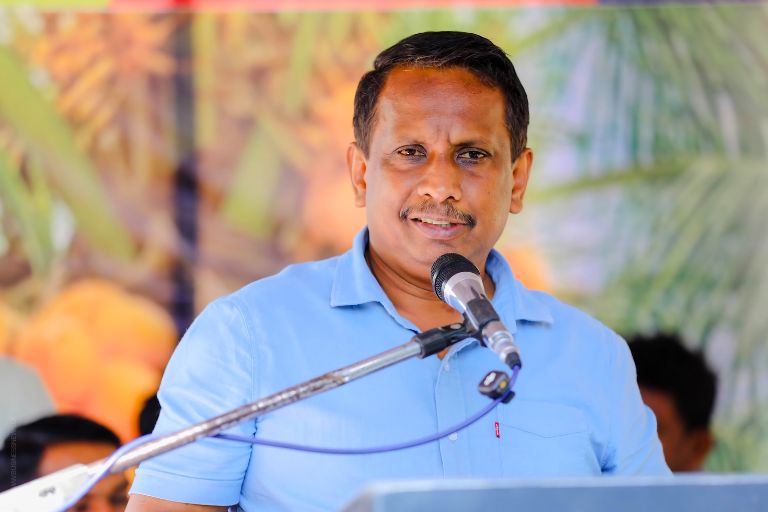
Sri Lanka is expanding king coconut production with a clear export goal. Plantations and Community Infrastructure Minister and Badulla District MP Samantha Viddyarathna inaugurated the second “Ceylon King Coconut Village” in Dehigama, Rideemaliyadda, Badulla District, on October 11.
The Ministry of Plantation and Community Infrastructure plans to establish 250 king coconut villages within three years. Authorities aim to add 25 million king coconuts to annual production by 2030 and increase export revenue from king coconut and related products by more than US$12 million.
For exporters, the plan could create a larger supply base in the years ahead. It includes new planting, tree rehabilitation, irrigation and better links across the supply chain.
More King Coconuts for Export
The Ministry plans to plant 212,500 new king coconut saplings between 2026 and 2028. It will also rehabilitate 221,500 existing king coconut trees during the same period. These steps are designed to expand growing areas and raise output from existing plantations.
For exporters, more trees could mean a larger future supply of king coconuts. However, the plan does not guarantee export volumes or prices.
Focus on Supply and Quality
Higher production is only one part of the plan. Authorities also want to improve the quantity and quality of king coconut output. To support this goal, they plan to develop irrigation systems across 500 acres of king coconut land.
Better water management can help protect crops during dry periods. It can also support a more regular supply of quality produce.
That matters to exporters who need a steady supply to serve overseas buyers. Still, the source does not provide details on future export volumes or buyer commitments.
New System to Connect Growers and Exporters
An integrated data system will cover the king coconut value chain from planting and harvesting to transport, processing and export.
Growers, king coconut collectors and exporters will form part of this system.
For exporters, better access to supply-chain information could become useful as production expands. However, authorities have not yet explained how exporters will access the system or when it will become fully operational.
Export Target Includes Value-Added Products
The export target covers king coconut and king coconut-based products. That means the plan goes beyond increasing the supply of fresh coconuts. Processing and other value-added activities will form part of the wider effort to generate export revenue.
Planting and rehabilitation will take place from 2026 to 2028. By 2030, authorities want annual production to rise by 25 million coconuts and export revenue to increase by more than US$12 million.
For exporters, the direction is clear: more trees, better production, and a more connected supply chain are being built to support future king coconut exports.

More:
Sri Lanka and China Prepare for 70 Years of Diplomatic Ties as Rubber-Rice Pact Turns 75
Developments Ministerial Update
Last modified: October 12, 2026