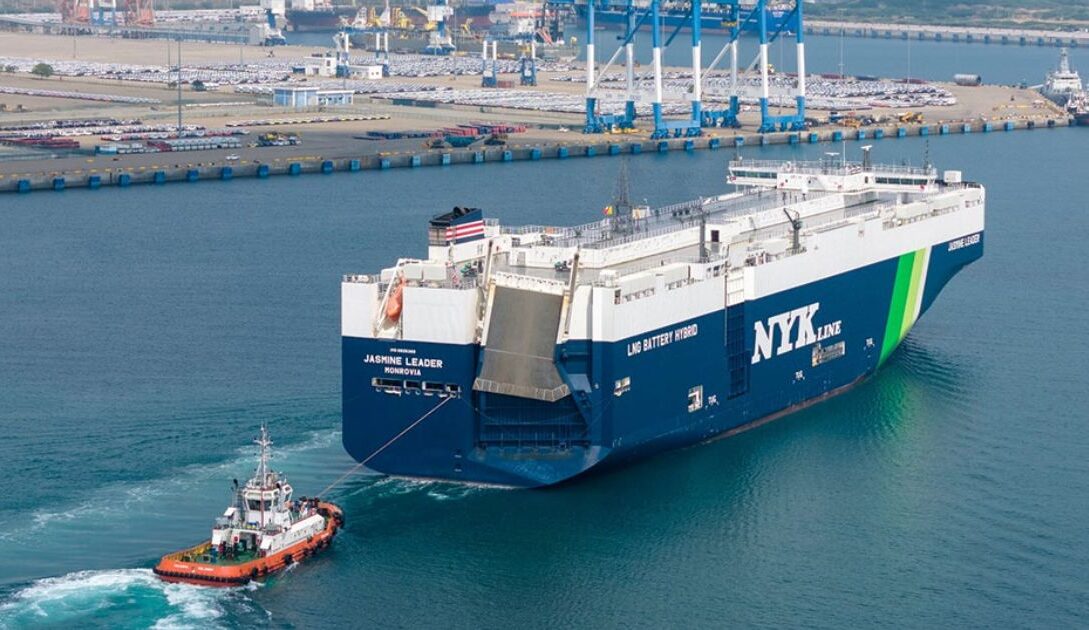
Shipping lines moved record volumes through Hambantota International Port (HIP) in June, making it the strongest month in the port’s history for both vehicle transshipment and container handling.
The port processed 90,219 vehicles and 80,325 TEUs during the month, setting new records for its two fastest-growing business segments.
Preparedness Helped Capture New Business
HIP began preparing for possible supply chain disruptions as tensions around the Strait of Hormuz created uncertainty for global shipping.
The port increased operational capacity and assured customers it could handle additional cargo without interrupting services.
At the same time, customer engagement and marketing efforts encouraged more shipping lines and cargo owners to route cargo through HIP.
HIPG Chief Executive Officer Wilson Qu said the results reflected the port’s ability to respond quickly when customers needed reliable alternatives during a period of uncertainty.
Growth Builds on Strong 2025
The latest record follows a year of rapid expansion.
Total cargo throughput increased 175% to 8.24 million metric tones in 2025.
Container volumes also climbed sharply from 53,169 TEUs in 2024 to 428,036 TEUs last year.
Those gains have strengthened the port’s position in container handling while maintaining its role as a vehicle transshipment hub.
Capacity Expansion Continues
HIP has continued investing to support future growth.
Earlier this year, the port doubled its RoRo yard capacity and expanded its container yard by 30%.
It has also committed USD 108 million to purchase new container handling equipment.
The investment will increase annual container handling capacity to 2 million TEUs.
Earlier in 2026, HIP also recorded its highest single-vessel container operation after handling 13,260 TEUs from the MSC Marie Leslie.
What Happens Next
Located just 10 nautical miles from the main East-West shipping route, HIP is positioning itself to capture a larger share of regional maritime trade.
Continued investment in capacity and equipment is expected to support higher cargo volumes as global shipping networks continue to adjust.
Editor’s Insight
The June figures suggest HIP is benefiting from more than short-term geopolitical disruptions. Continued investment in infrastructure and capacity is helping the port compete for long-term container and vehicle traffic, strengthening its role in regional logistics and international trade.
Numbers & Indexes Ports & Shipping
Last modified: July 10, 2026