The country’s trade deficit widened sharply during the first five months of 2026 as higher spending on fuel and vehicle imports outpaced export earnings, adding fresh pressure on the external sector despite strong workers’ remittances and continued growth in tourist arrivals.
According to the Central Bank of Sri Lanka’s (CBSL) External Sector Performance Report for May 2026, the cumulative merchandise trade deficit increased to US$4.7 billion during January–May 2026, compared with US$2.7 billion during the same period last year.
The Central Bank said the widening trade gap contributed to the external current account recording a deficit for the second consecutive month.
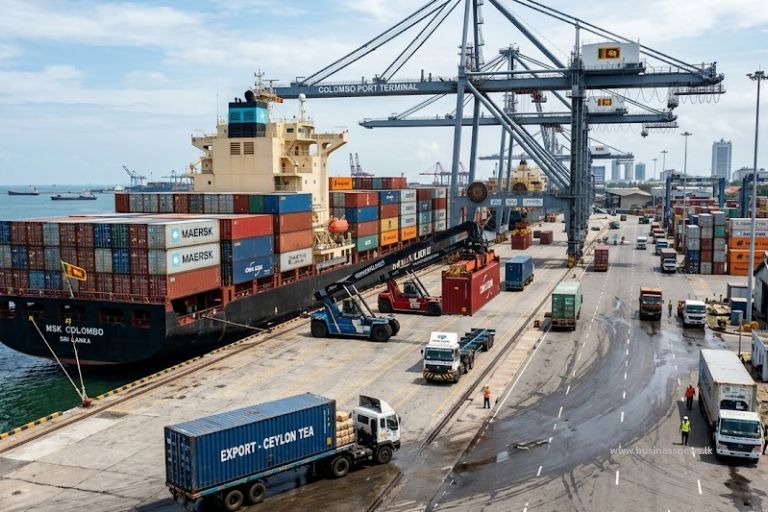
Fuel Imports Drive Higher Import Bill
One of the biggest contributors to the higher import bill was fuel.
CBSL said expenditure on fuel imports rose 112% year-on-year to US$536 million in May, driven by higher global oil prices and increased import volumes.
However, fuel import expenditure declined 39.5% compared with April on a month-on-month basis.
The report noted that the ongoing conflict in the Middle East continued to affect the country’s external sector through higher energy costs.
Vehicle Imports Continue to Rise
Motor vehicle imports also remained elevated following the reopening of imports.
Expenditure on personal and commercial vehicle imports increased 20% month-on-month to US$250 million in May.
During the first five months of 2026, vehicle import expenditure reached US$1.07 billion, further increasing demand for foreign exchange.
Current Account Remains in Deficit
CBSL reported that the external current account recorded a US$194 million deficit in May.
The deficit was mainly driven by the wider trade gap and a moderation in the services surplus.
As a result, the cumulative external current account deficit reached US$97 million during January to May 2026.
Tourism and Remittances Provide Support
Despite pressure from imports, foreign exchange inflows continued through tourism and workers’ remittances.
Tourist arrivals increased 9.6% year-on-year in May, pushing total arrivals during the first five months of the year above one million visitors.
However, tourism earnings declined.
Tourist earnings were estimated at US$156 million in May, down 5.1% from a year earlier.
Cumulative tourism earnings also fell 11.9% year-on-year to US$1.36 billion during January–May 2026.
Meanwhile, workers’ remittances remained a key source of foreign exchange.
Remittances reached US$847 million in May, while cumulative inflows increased 26% year-on-year to US$3.9 billion during the first five months of the year.
Reserves Supported by IMF Funds
Gross official reserves stood at US$6.9 billion at the end of May 2026.
According to CBSL, reserves were supported by the jointly disbursed sixth and seventh tranches under the Extended Fund Facility (EFF), despite external debt repayments and net foreign exchange sales by the Central Bank.
Rupee Under External Pressure
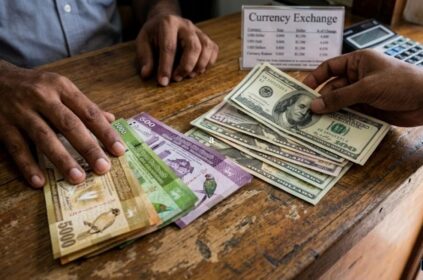
The Central Bank also reported that the rupee had depreciated 7.9% against the US dollar on a year-to-date basis as of end-June 2026.
CBSL attributed the currency pressure to external sector challenges, including the impact of the conflict in the Middle East.
Editor’s Insight
The latest figures show that the country’s external sector is becoming increasingly dependent on controlling import growth while maintaining strong export performance and foreign currency inflows. Although remittances continue to improve and tourist arrivals remain healthy, rising fuel and vehicle imports are widening the trade deficit and increasing pressure on the balance of payments. Sustaining external sector stability will depend on stronger export earnings and a recovery in tourism receipts over the coming months.
Central Bank of Sri Lanka (CBSL) Numbers & Indexes
Last modified: July 3, 2026