The future of Asia’s role in the global economy took centre stage at a major international forum.
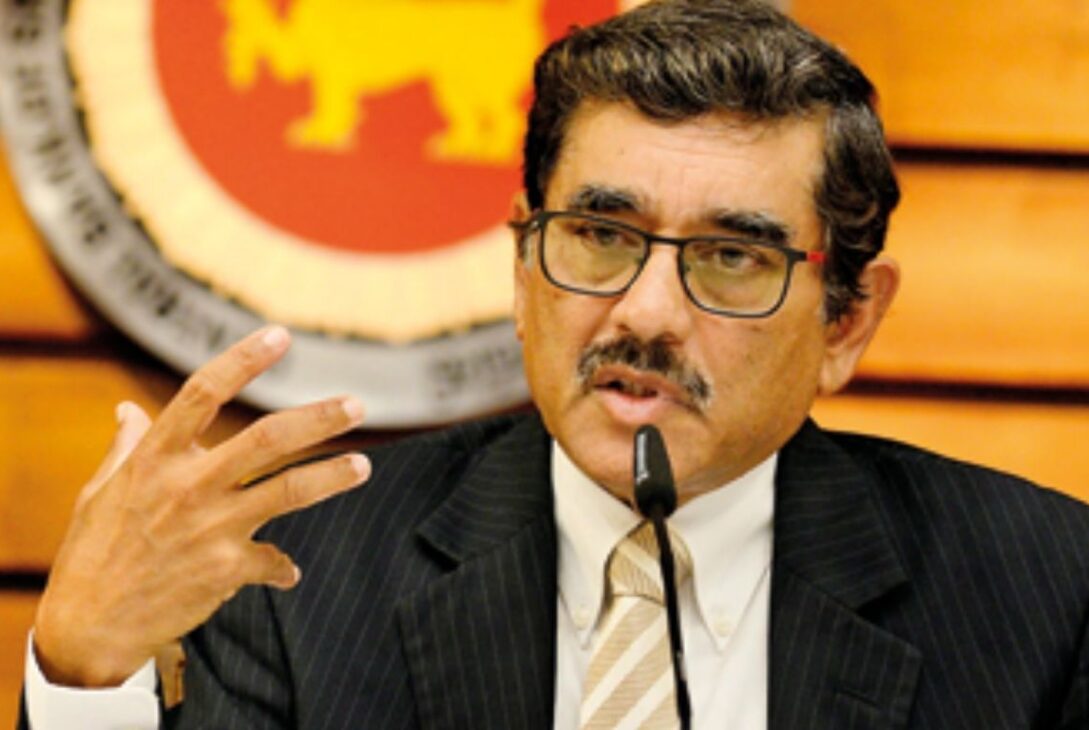
CBSL Governor P. Nandalal Weerasinghe joined global policymakers and financial leaders at the Asia in 2050 Conference, where discussions focused on the region’s growth prospects, economic challenges, and the reforms needed to sustain long-term stability.
The high-level session brought together key voices shaping economic policy across the region.
Participants included IMF Managing Director Dr. Kristalina Georgieva, Thailand’s Deputy Prime Minister and Finance Minister Dr. Ekniti Nitithanprapas, and Malaysia’s Finance Minister Datuk Seri Amir Hamzah Azizan, according to the Central Bank of Sri Lanka.
Opening the discussion, Dr. Georgieva reflected on Asia’s remarkable economic transformation over the past five decades.
She highlighted how strong institutions, innovation, and social cohesion helped drive the region’s growth. However, she also warned that new challenges are emerging.
These include ageing populations, youth unemployment, rapid technological change, and rising climate risks. Addressing them, she noted, will require policies that promote inclusive and sustainable economic growth.
She also emphasised the importance of deeper regional integration, stronger capital markets, and strategic trade policies to strengthen Asia’s resilience in an increasingly uncertain global environment.
About the Panel
During the discussion, CBSL Governor Nandalal Weerasinghe shared insights from the country’s recent economic recovery.
He explained how the country navigated one of the most severe economic and financial crises in its history through a series of difficult but necessary reforms.
According to the governor, rebuilding stability required strong macroeconomic management, institutional strengthening, and structural reforms.
Among the key reforms, he noted the establishment of an independent central bank and the introduction of fiscal rules under the Public Financial Management Act.
The governor also highlighted the importance of credible communication with the public during the reform process.
Clear and transparent communication, he said, helped build public support for difficult policy measures. This support played a crucial role in restoring economic stability, reducing inflation, and strengthening fiscal and financial balances within a relatively short period.
Looking ahead, the CBSL Governor stressed the potential for regional cooperation.
He pointed to regional integration, digital transformation, and renewable energy development as areas where Asian economies can collaborate to build stronger and more resilient growth.
Other regional leaders echoed similar views.
Thailand’s Dr. Ekniti Nitithanprapas highlighted the opportunities and risks created by technological and demographic changes. He emphasised the need for stronger digital infrastructure, human capital development, and global cooperation to fully harness artificial intelligence and emerging technologies.
Meanwhile, Malaysia’s Finance Minister Amir Hamzah Azizan underlined the role of regional integration in supporting Asia’s energy transition, expanding trade, and attracting investment.
As discussions concluded, one message stood out clearly.
Asia’s next phase of growth will depend not only on economic strength, but also on cooperation, reform, and innovation across the region.
Central Bank of Sri Lanka (CBSL) Leadership Interviews
Last modified: March 10, 2026