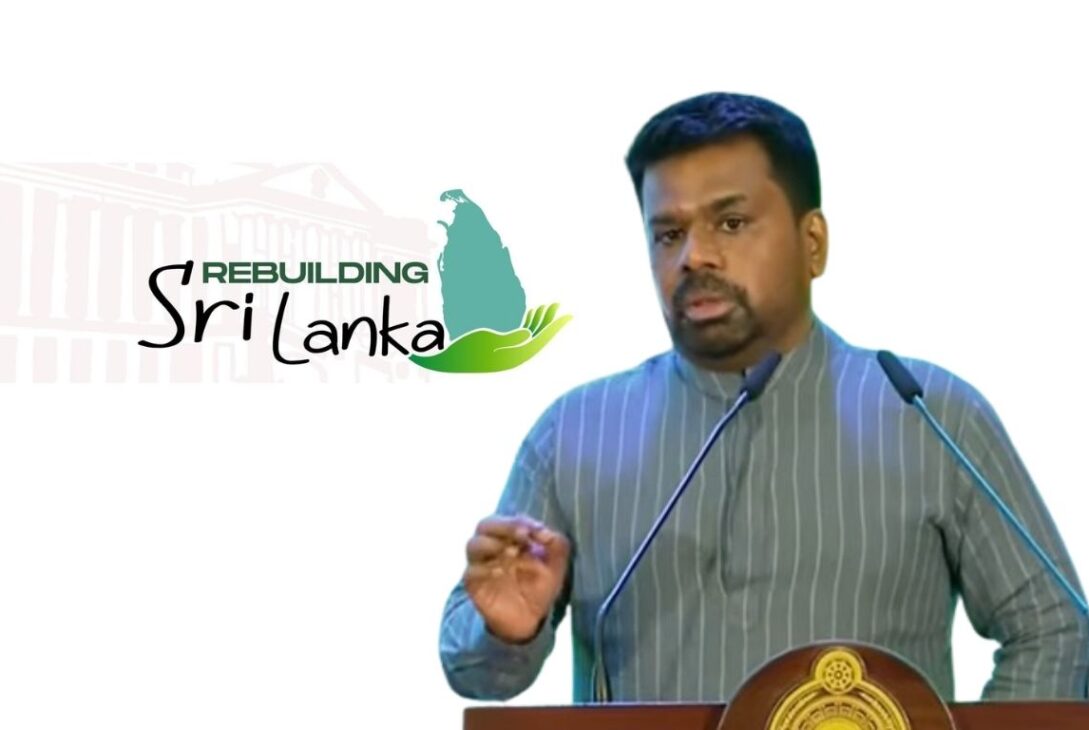
Natural disasters often test policy continuity, especially when governments face pressure to delay reforms or reallocate priorities during recovery phases.
Policy continuity amid recovery
The President noted that the country was already in recovery from economic challenges when the cyclone struck. However, he said this did not justify retreating from the policy framework already in place.
He said the administration had decided to confront the disaster without discarding or delaying its official programmes. The President added that past crises, including conflict and health emergencies, had often been used to justify policy reversals.
Scale of damage
According to the President, Cyclone Ditwah displaced around 700,000 people. The disaster destroyed approximately 6,000 houses and caused partial damage to nearly 110,000 homes.
In addition, authorities identified about 10,000 houses as unsafe, although they were not damaged. Residents of those houses were instructed to evacuate as a precaution.
Funding and housing plans
The President said Parliament approved a supplementary estimate of Rs. 500 billion to address disaster-related recovery needs.
From this allocation, Rs. 5,000 million has been set aside to rebuild 2,500 destroyed houses. He added that the government expects to construct more than 50,000 houses by 2026 as part of the recovery programme.
The President also said he remained accountable to the mandate given to the current administration and would not allow external influence to undermine that mandate.
President Appoints Dr. Parakrama Dissanayake as Advisor on Maritime, Ports and Logistics
Last modified: January 13, 2026