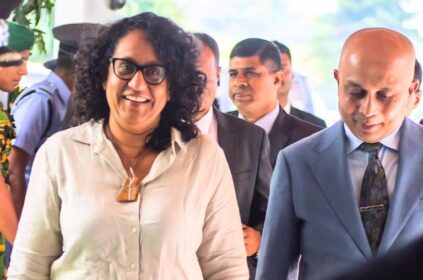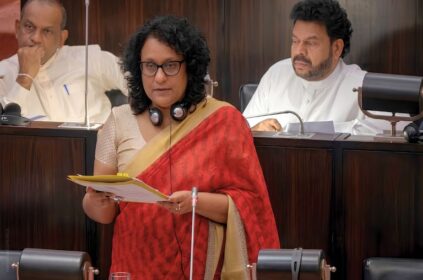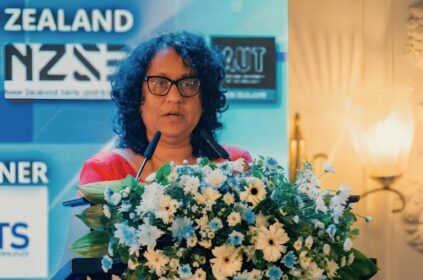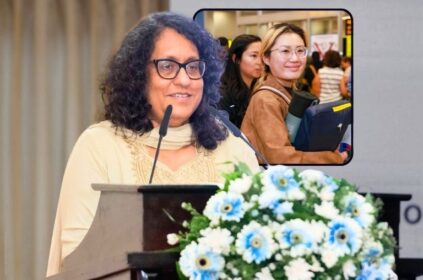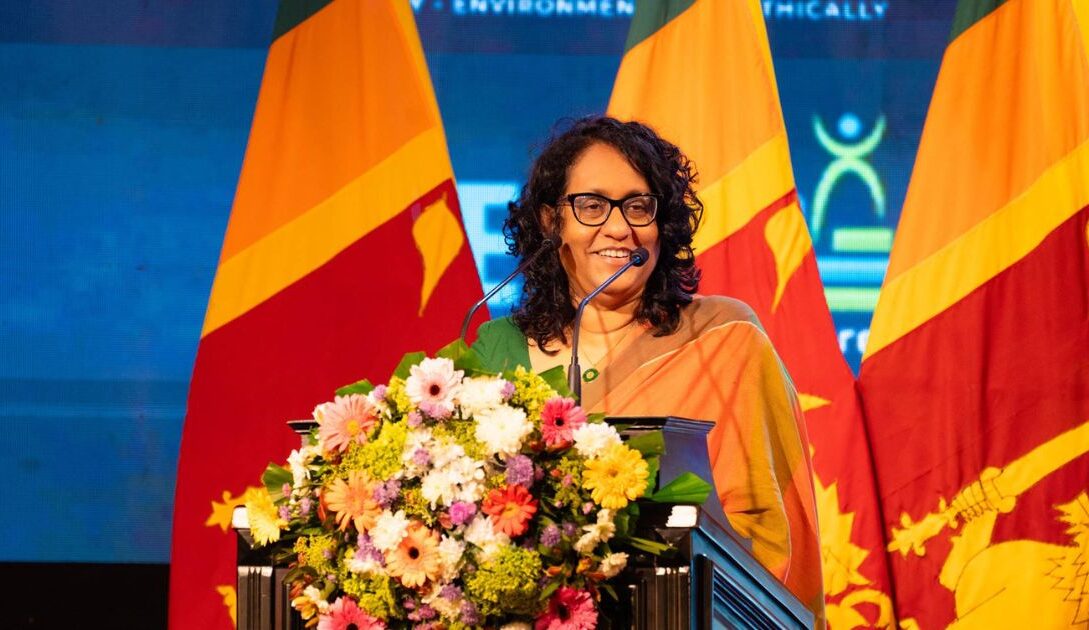
Speaking at Temple Trees, Prime Minister Harini Amarasuriya said the government will bring preschools under one national framework. The plan includes a single curriculum, structured teacher training, and clear quality standards.
She made these remarks at the launch of the National Communication Programme for Child Health Promotion. Several institutions support the programme, including the Health Promotion Bureau, key ministries, UNICEF, and the Clean Sri Lanka Programme.
The Prime Minister said early childhood plays a key role in shaping future citizens. She noted that learning, behaviour, and social skills develop rapidly during the first five years of life.
She also stressed that child development is a shared responsibility. Families, teachers, and society all play a role in a child’s growth, care, and safety.
A national policy on early childhood education is now in place. UNICEF provided technical support for its development. The policy treats early childhood education as a specialised area that needs proper oversight.
Minister of Women and Child Affairs Saroja Paulraj said her ministry has made preschool development a key priority for 2026. She highlighted the role of teachers in creating a safe and caring space for children.
Minister of Health and Mass Media Nalinda Jayatissa said early education supports long-term health goals. He noted that strong early programmes help reduce future health risks and social challenges.
Editor’s Insight
Early childhood reform shapes the future workforce long before formal schooling begins. Strong preschool systems improve learning outcomes, reduce future public costs, and support long-term economic growth through better human capital.


Last modified: January 11, 2026