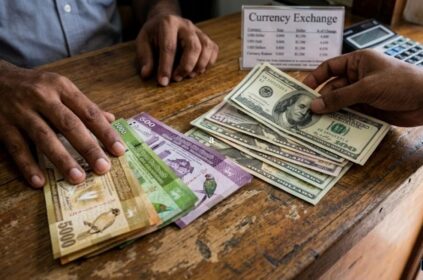

According to the Central Bank, the Dollar buying rate moved up to Rs. 306.12, while the selling rate rose to Rs. 313.71. Although the change is small, even minor currency movements matter in an economy that relies heavily on imports.
For consumers, a weaker rupee against the Dollar can translate into higher costs for fuel, food items, medicine, electronics, and other imported essentials, especially if the trend continues. Businesses that depend on Dollar-priced inputs may also face pressure, which can eventually pass through to retail prices.
However, there is some relief. The rupee strengthened against a basket of other international currencies and remained broadly stable against Gulf currencies. This helps limit cost increases for imports from non-Dollar markets and supports workers who receive remittances from the Middle East.
In practical terms, today’s movement does not signal an immediate shock, but it highlights how sensitive household expenses remain to exchange rate changes. Consumers and businesses alike will be watching whether this depreciation remains short-lived or develops into a sustained trend as the year ends.
Tokyo Cement Group awarded for impactful CSR at SLIM brand excellence 2025
Central Bank of Sri Lanka (CBSL) Daily Exchange Rate
Last modified: December 30, 2025