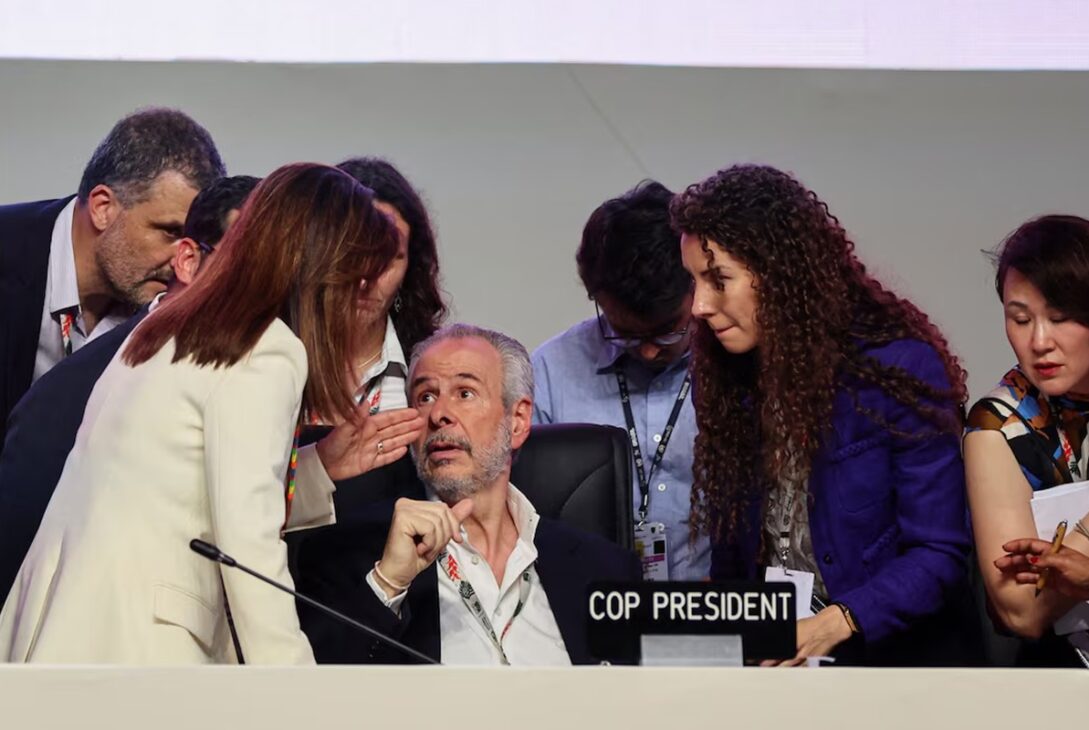
The United Nations climate summit, COP30, concluded in Brazil’s Amazon city of Belém with a fiercely debated compromise deal aimed at boosting climate finance for developing nations. The agreement was gavelled through by the Brazilian Presidency despite omitting any direct mention of the fossil fuels driving global warming.
The accord, secured after two weeks of contentious, overtime negotiations, calls for rich nations to at least triple the money they provide to poor nations by 2035 to help them adapt to escalating climate impacts.
Fossil Fuel Rift Exposed
The summit’s conclusion exposed deep international rifts over future climate action. Several nations, including Latin American neighbors Colombia, Panama, and Uruguay, raised strong objections to the lack of stronger plans to rein in greenhouse gases.
Colombia’s negotiator argued that a deal which ignored fossil fuels—the biggest contributor to planet-warming emissions was a “failed agreement.” This stance aligned with the European Union, which demanded language on a transition away from fossil fuels, while a coalition including top oil exporter Saudi Arabia ensured the topic remained excluded from the main accord.
Acknowledging the frustration, COP30 President Andre Correa do Lago admitted that many delegates had hoped for “greater ambitions.” UN climate chief Simon Stiell, however, praised the participants for achieving unity “in an year of denial and division.”
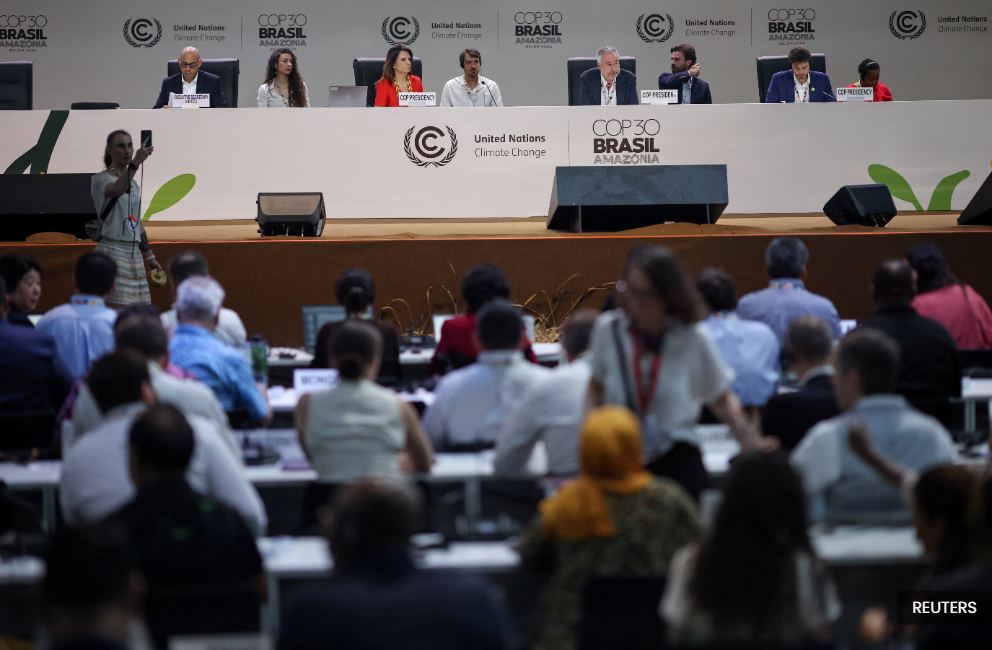
COP30 United Nations climate summit at Brazil – BusinessNews.LK Source: Reuters
Financial Momentum & Future Action
The final agreement’s most definitive action is the financial commitment:
- It launches a voluntary initiative to accelerate climate action and help nations meet existing emissions reduction pledges.
- It urgently calls for the tripling of adaptation finance by 2035, recognizing the urgent need for funds to address current impacts like sea-level rise and worsening droughts.
Brazil’s Presidency ultimately issued a separate side text on fossil fuels and forest protection to overcome the deadlock, urging countries to continue discussing these vital, unresolved issues outside the main agreement.
Source: Newsvaw
Last modified: November 23, 2025