Sri Lankan and Thai ordinary passport holders could travel between the two countries without visas for visits of up to 30 days, under a proposed bilateral agreement.
The agreement will also limit travellers to a total stay of 90 days within any 180-day period. This would allow eligible travellers to make multiple visits without applying for a visa, provided they remain within the permitted stay limits.
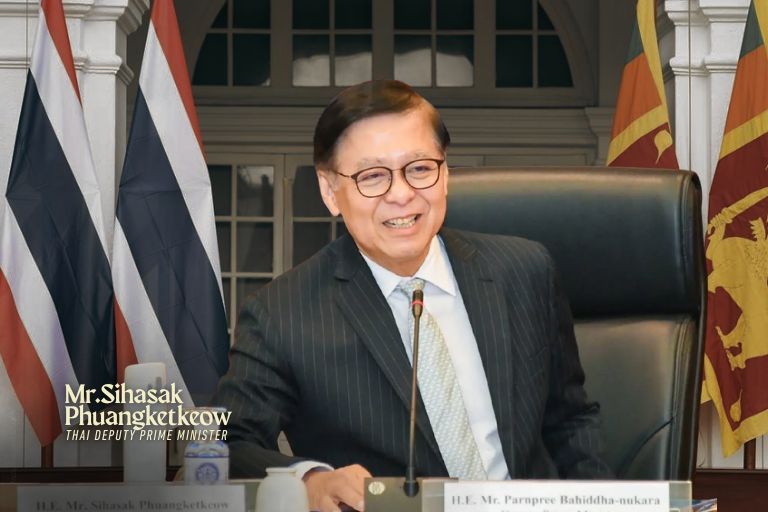
Sri Lanka and Thailand are expected to sign the agreement during the visit of Thai Deputy Prime Minister and Foreign Minister Sihasak Phuangketkeow to Sri Lanka, which runs from November 20 to 23.
Thailand’s Cabinet approved the draft agreement on November 17, 2026. It also authorised the Foreign Minister or an appointed representative to sign it.
How Long Can Travellers Stay?
Under the proposed agreement, ordinary passport holders from either country would be exempt from visa requirements when entering, leaving or transiting through the other country.
Travellers could stay for up to 30 days per visit. However, their total stay cannot exceed 90 days within a 180-day period.
This means travellers would not be limited to a single visit. They could make several trips within the permitted period, as long as their combined stay does not exceed the 90-day limit.
The arrangement could make travel easier for Sri Lankan tourists visiting Thailand and Thai travellers coming to Sri Lanka. It could also help people planning short business visits or personal trips.
However, travellers seeking to stay for more than 30 days would need to obtain the appropriate visa before entering the other country.
Visa-Free Travel Does Not Cover Work or Study
The proposed exemption will not allow ordinary passport holders to work or study without the required authorisation.
Anyone planning to work, study or undertake activities that require prior approval from the destination country’s authorities must obtain the appropriate visa before arrival.
Therefore, the agreement is mainly intended to facilitate short visits. It does not replace the visa procedures for employment, education or other activities requiring official permission.
When Will Visa-Free Travel Begin?
Although Thailand’s Cabinet has approved the draft agreement, both countries must complete their required domestic procedures before it takes effect.
The agreement will enter into force on the 60th day after both governments exchange written diplomatic notifications confirming that they have completed these procedures.
This means the signing alone will not necessarily make visa-free travel immediately available. Travellers will need to wait for an official announcement confirming the effective date.
The agreement also allows either country to suspend it, fully or partly, on grounds of public order, public health or national security. Such action must be notified through diplomatic channels at least 30 days in advance.
Either country can also terminate the agreement. Termination would take effect 90 days after the other country receives written notification.
What This Could Mean for Tourism and Business
Thailand expects the agreement to make travel easier and encourage people-to-people contact between the two countries.
The arrangement could support tourism, cultural visits and religious travel. It may also make short business trips easier for people exploring trade, investment and commercial opportunities.
For travellers, the main benefit would be fewer visa-related steps before short visits. For tourism businesses, easier travel arrangements could support demand for tours, accommodation, airline tickets and travel services.
However, the actual impact will depend on travel demand, air connectivity, visitor spending and the conditions both governments apply after the agreement takes effect.
Until the effective date is announced, Sri Lankan and Thai travellers should continue to follow the existing visa requirements.

More:
Agriculture Ministry Opens Fruit Ripening Chamber in Anuradhapura to Help Farmers Handle Produce Safely
Bilateral Discussions Diplomatic Relations mig
Last modified: November 21, 2026