The Government plans to start a small pilot programme for assistive technology in special education, with a focus on testing the system before expanding it to more schools.
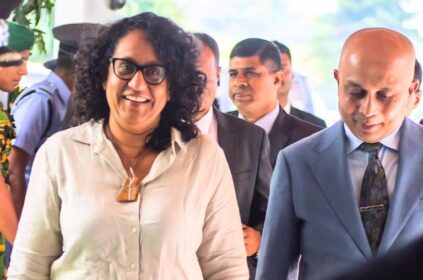
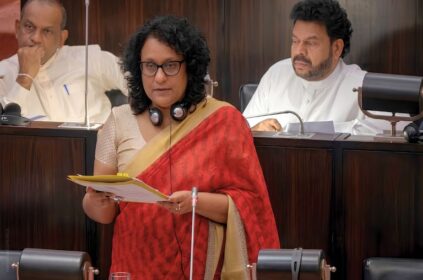
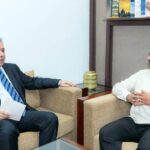
Prime Minister Harini Amarasuriya led a discussion on August 18 to plan the use of digital tools and assistive technology for learners with disabilities.
The Government wants to avoid a situation where devices and public investment go to waste because schools lack the right systems, training or support.
Pilot to Start With Selected Schools
The programme will begin with a limited number of schools and devices.
Officials will use the pilot to test the technology, identify problems and improve the programme before expanding it.
The plan will also link the pilot with ongoing education reforms.
Initially, the programme will focus on Grades 1, 2 and 6.
Officials will give priority to schools that already have basic facilities for children with disabilities.
They will also consider schools selected for improvement under the wider education reform programme.
Focus on Specific Needs
The Government does not plan to address every learning difficulty at the start.
Instead, the pilot will focus on identified disabilities.
Officials can then expand the programme as they learn from the first phase.
The plan also includes stronger screening to identify students who need support.
Teacher training will form another part of the programme.
Schools will also need to meet accessibility standards so that students can use the technology effectively.
The approach puts the focus on more than simply providing devices.
The Government wants to test the full system, including school facilities, teacher skills, student needs and accessibility, before expanding the use of assistive technology across special education.
Last modified: August 22, 2026