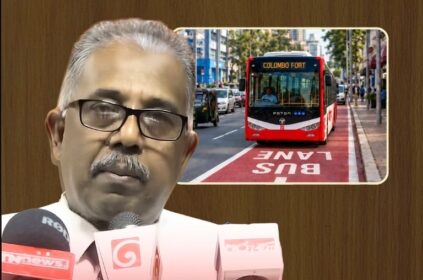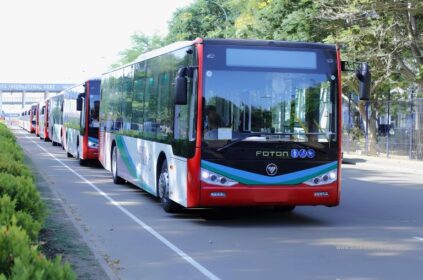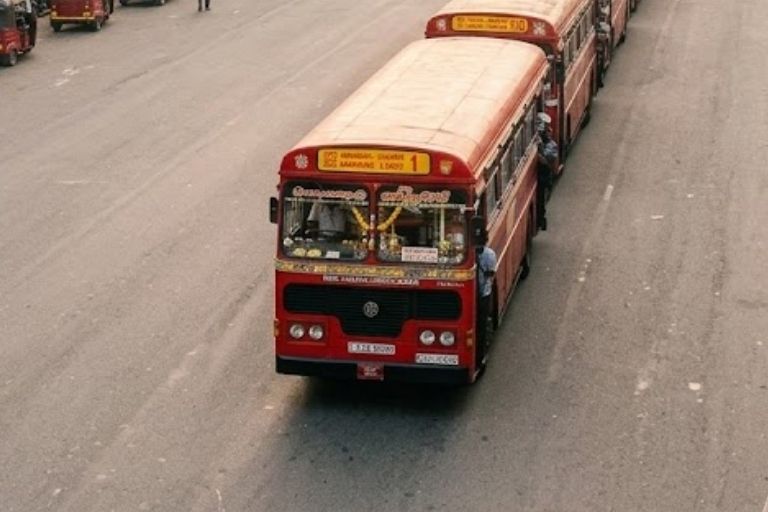
The Cabinet of Ministers has approved a pilot Bus Sector Clustering Program to improve the management of public bus services. The program will first operate on bus routes 170, 177 and 190 before expanding to other areas.
The Government expects the pilot project to improve service reliability, passenger safety and operational efficiency through a coordinated transport management system.
Pilot to Cover Three Bus Routes
According to the Department of Government Information, the pilot program will involve the Sri Lanka Transport Board (SLTB), private bus operators and other relevant stakeholders.
The Government will assess the project’s performance before extending the program to additional routes.
New System to Improve Bus Operations
The Government introduced the initiative to address long-standing issues in the public bus sector.
These issues include intense competition among operators, poor timetable compliance, overcrowded buses, unsafe driving practices, passenger inconvenience, traffic congestion and the inefficient use of transport resources.
Instead of allowing operators to function independently, the clustering model will bring multiple operators on connected routes under a single coordinated management system.
Furthermore, several countries have already adopted similar transport models to improve bus operations.
Better Services for Passengers
The Government expects the new system to improve route management and provide more balanced bus services.
In addition, the program aims to reduce operational conflicts among bus operators and improve service reliability for passengers.
Authorities also expect the initiative to create a more efficient and convenient public transport network.
Cabinet Approval
Accordingly, the Cabinet approved the pilot project after considering a proposal submitted by the Minister of Transport, Highways and Urban Development.
The Government plans to review the results of the pilot program before deciding on a wider rollout.
Editor’s Insight
The pilot program marks a shift from independent bus operations to a coordinated service model. If successful, it could improve operational efficiency, reduce unnecessary competition and provide commuters with more reliable public transport while making better use of existing transport resources.
Last modified: July 7, 2026