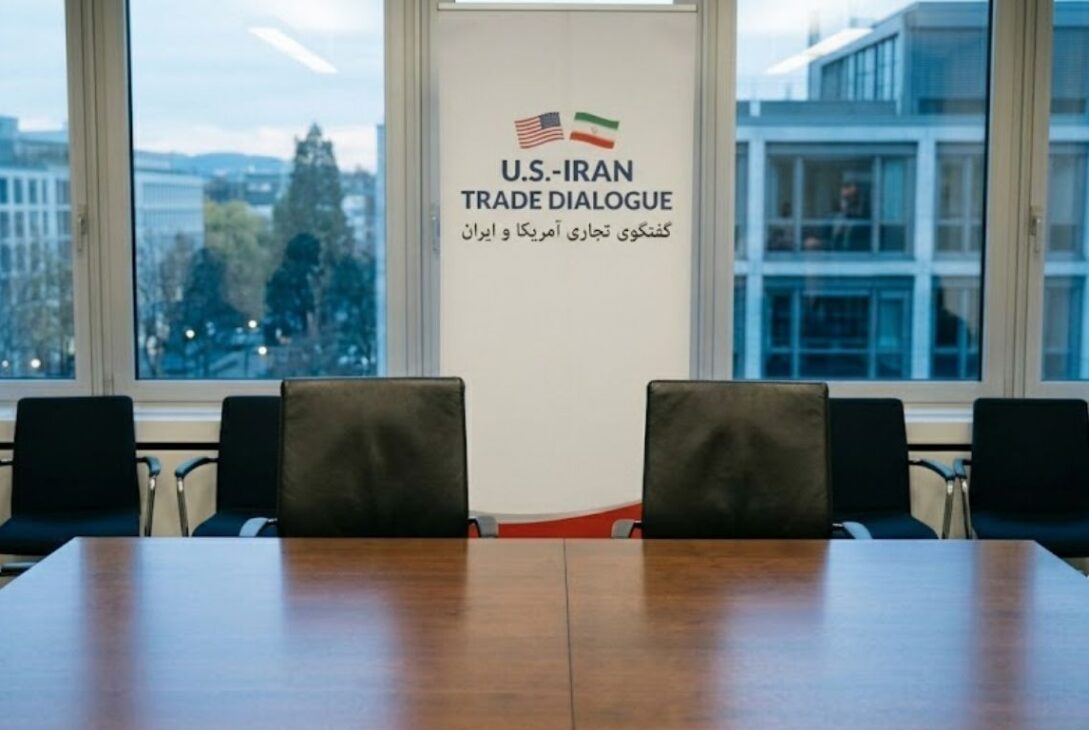
Indirect negotiations between the United States and Iran made “positive progress” during meetings in Doha, Qatar said on Wednesday, with both sides agreeing to continue discussions aimed at easing tensions in the Middle East.
Qatari Foreign Ministry spokesperson Majed al-Ansari said Qatari and Pakistani mediators held separate meetings with the US and Iranian delegations. The talks followed earlier high-level discussions in Switzerland, while another round of negotiations is expected after funeral ceremonies for Iran’s former Supreme Leader, Ayatollah Ali Khamenei.
US Vice President JD Vance also described the discussions as progressing well, saying technical negotiators had begun working through detailed issues and that talks on Iran’s nuclear programme would start soon.
Why It Matters Globally
The negotiations are being closely watched because relations between the United States and Iran have a direct influence on global energy markets, shipping routes and geopolitical stability.
Reduced tensions could lower the risk of disruptions to oil exports from the Persian Gulf and improve confidence in one of the world’s most important energy-producing regions. Conversely, a breakdown in talks could renew concerns over supply disruptions, shipping security and higher energy prices.
The discussions also signal that both sides remain engaged in diplomacy despite months of military conflict and heightened regional tensions.
Why This Matters to Sri Lanka
For Sri Lanka, developments in the Gulf have implications beyond foreign policy. The country depends heavily on imported fuel, making global oil prices an important factor affecting inflation, transport costs and the import bill.
Greater stability in the region could help moderate energy prices and reduce uncertainty for businesses that rely on imported fuel, including the transport, manufacturing, aviation and logistics sectors.
Shipping routes through the Middle East are also important for international trade, making uninterrupted maritime traffic beneficial for exporters and importers.
Business Impact
Energy markets and investors are expected to closely monitor future rounds of negotiations for signs of lasting progress.
A diplomatic breakthrough could support stable oil supplies, improve investor sentiment and reduce geopolitical risk premiums in energy markets. However, uncertainty is likely to remain until negotiators reach concrete agreements on security and nuclear-related issues.
Businesses with exposure to global energy costs and international trade are likely to remain cautious while the talks continue.
Last modified: July 3, 2026