
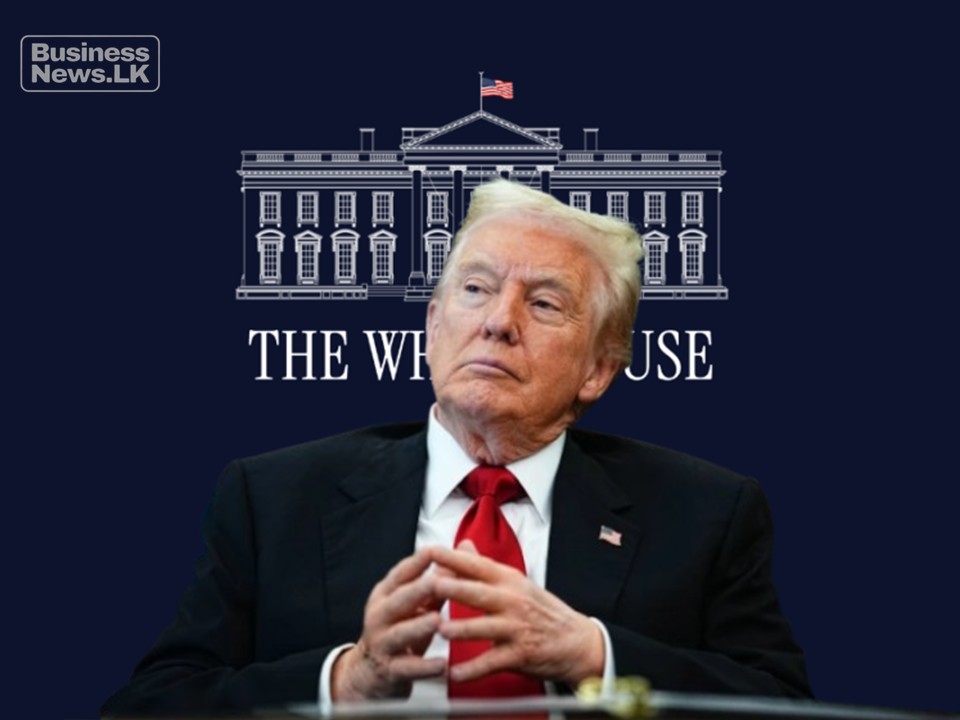
Fresh hopes of a long-term peace agreement between the United States and Iran emerged over the weekend after US President Donald Trump said a deal had been “largely negotiated” and could be announced soon.
Speaking on social media, Trump said discussions had reached an advanced stage following talks with regional leaders, including those from Saudi Arabia, the United Arab Emirates, and Qatar.
“An agreement has been largely negotiated, subject to finalization between the United States of America, the Islamic Republic of Iran, and the various other Countries, as listed,” Trump said.
“Final aspects and details of the deal are currently being discussed and will be announced shortly.”
The latest developments have raised optimism among global markets, businesses, and consumers who have been closely watching the conflict’s impact on energy supplies and economic stability.
The Background
The Strait of Hormuz carries around one-fifth of global oil and LNG shipments. Disruptions to traffic through the route in recent months contributed to higher energy prices and renewed inflation concerns across several economies.
Iranian Foreign Ministry spokesman Esmaeil Baqaei also signalled progress in negotiations, saying the positions of both sides had moved closer during the past week.
According to Baqaei, discussions are now centred on a memorandum of understanding containing 14 key points, which could form the basis of a broader peace agreement.
He said further negotiations could continue over the next 30 to 60 days before a final deal is reached.
The renewed diplomatic momentum comes after months of uncertainty following the conflict that began in February and the subsequent ceasefire reached in April.
Although challenges remain, markets are viewing the latest developments as one of the strongest indications yet that a diplomatic solution may be possible.
For businesses worldwide, a successful agreement could help stabilise energy markets, ease pressure on fuel prices and improve confidence in global trade and investment flows.
What Happened?
Despite the progress in negotiations, major challenges remain on the ground.
The United States has maintained a blockade of Iranian ports since 13 April, significantly disrupting trade flows and commercial shipping activities.
On Saturday, the US Central Command (Centcom) said it had redirected 100 vessels since the blockade began, disabled four vessels and permitted 26 humanitarian aid ships to enter Iranian ports.
Centcom commander Admiral Brad Cooper said the operation had been “highly effective” in preventing commercial trade through Iranian ports.
According to Cooper, the restrictions have allowed “zero trade into and out of Iranian ports”, increasing economic pressure on Tehran as negotiations continue.
At the same time, tensions remain over the Strait of Hormuz. Iran has claimed military control over areas surrounding the strategic waterway and has stated that vessels passing through the strait must obtain authorisation from what it describes as the Persian Gulf Strait Authority.
However, the United States and its Gulf allies have rejected those claims, insisting that international shipping should continue without Iranian approval.
The dispute highlights why the future status of the Strait of Hormuz remains one of the most important issues in the ongoing negotiations. Any agreement that guarantees unrestricted access to the waterway would be welcomed by global energy markets, shipping companies and businesses that depend on stable international trade routes.
Input from: BBC
Last modified: May 24, 2026