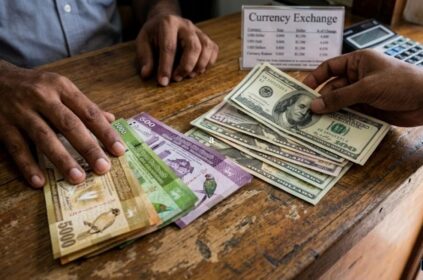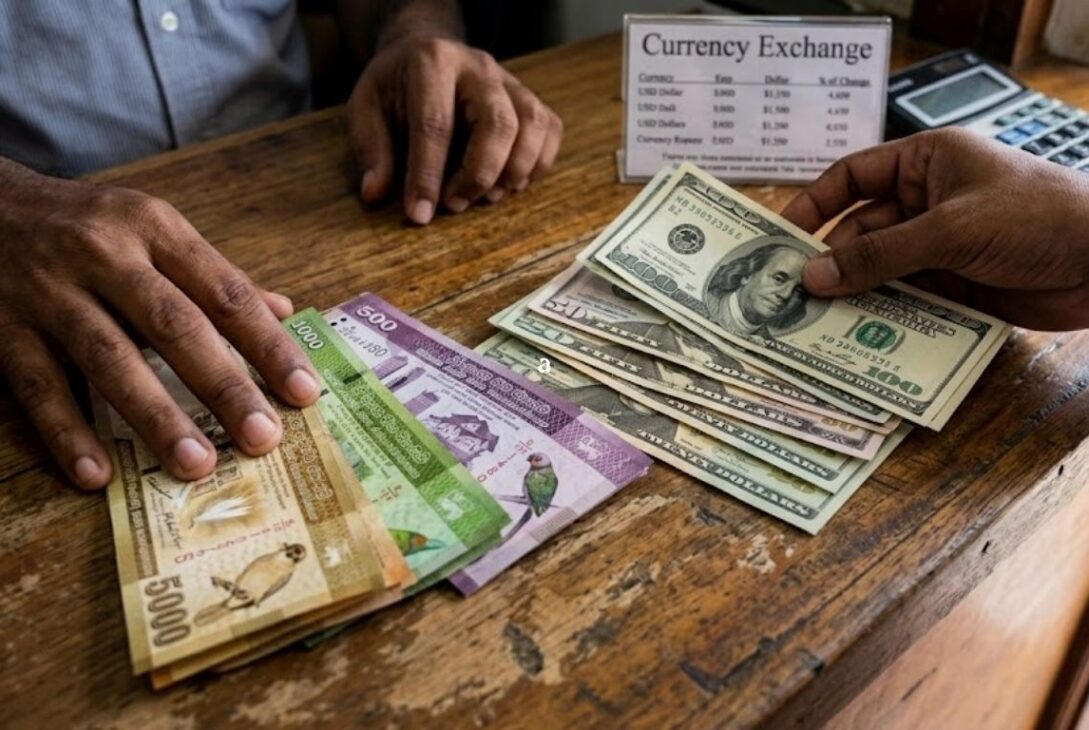
The Sri Lankan rupee weakened further against the US dollar today (08), adding more pressure on importers and businesses that depend heavily on foreign currency payments.
According to the Central Bank of Sri Lanka, the buying rate of the US dollar increased from Rs. 317.26 to Rs. 317.86.
Meanwhile, the selling rate also moved up from Rs. 324.87 to Rs. 325.53.
Import Costs Could Rise Further
For businesses involved in imports, even small currency movements can increase operating costs. Importers who deal with vehicles, electronics, machinery, food items, industrial raw materials, and fuel are likely to feel the impact first.
A weaker rupee means businesses need more local currency to buy dollars for overseas payments. As a result, some companies may eventually pass those costs to consumers through higher selling prices.
Market watchers say exchange rate movements remain important for traders, wholesalers, manufacturers, and retailers who depend on imported goods.
Pressure Seen Against Gulf Currencies Too
The rupee also weakened against Gulf currencies today, which could affect sectors linked to Middle East trade and labour markets.
However, the rupee showed only slight movement against several other major foreign currencies.
Businesses dealing with imports from Gulf countries may now face slightly higher transaction costs if the trend continues.
What Businesses Are Watching
Importers are closely monitoring global oil prices, foreign reserve levels, remittance inflows, and dollar demand in the local market.
Currency stability remains critical for business planning, especially for companies handling long-term import contracts and international supplier payments.
Central Bank of Sri Lanka (CBSL) Daily Exchange Rate
Last modified: May 8, 2026