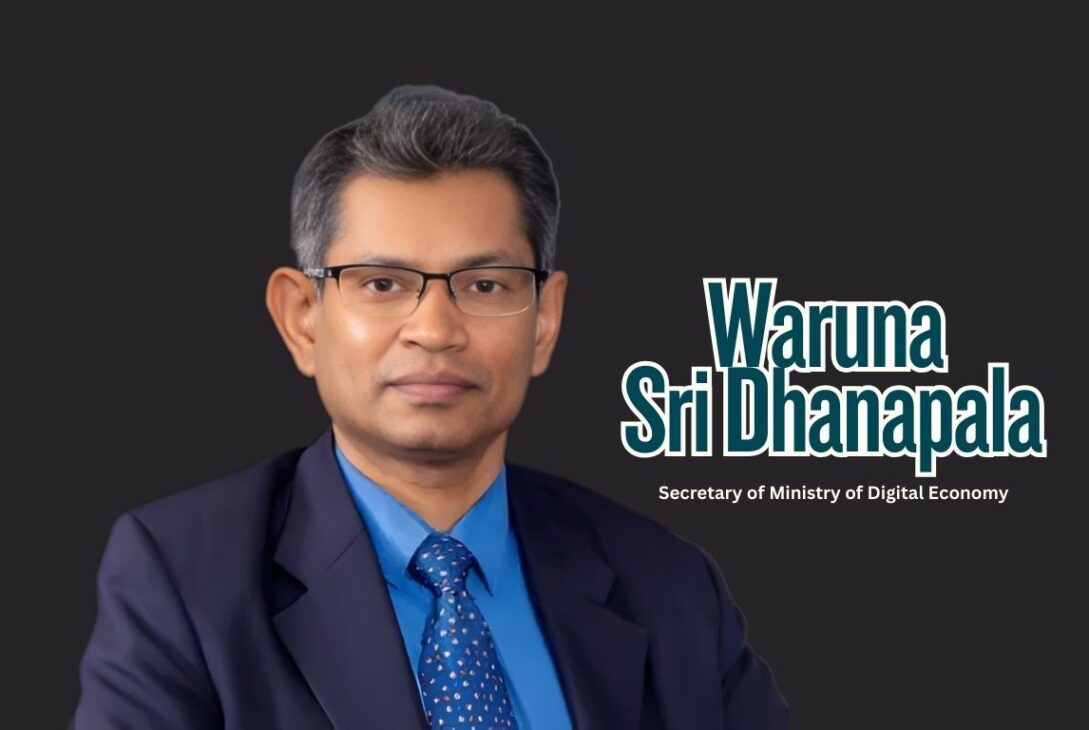
Waruna Sri Dhanapala said authorities have made progress through coordination between private banks, PayPal and its parent company. He added that the Central Bank of Sri Lanka has indicated the initiative is nearing completion.
Speaking on recent reports, Dhanapala said he consulted officials responsible for bank supervision and payments. Although authorities have not issued a formal announcement, he confirmed that the project has reached its concluding phase.
The move aims to remove long-standing restrictions that prevented users from receiving payments through PayPal.
Once implemented, small and medium-scale enterprises, especially digital service providers and freelancers, will be able to receive foreign income directly through a regulated online channel. At present, many rely on card-based alternatives or overseas accounts.
Dhanapala noted that the absence of a local address option previously forced some businesses to register foreign or incorrect addresses to open accounts. As a result, foreign exchange inflows often moved outside formal channels.
Under the new framework, transactions will fall within the Central Bank’s regulatory system. Authorities expect this to improve transparency, strengthen foreign exchange inflows and provide greater convenience to entrepreneurs.
He also acknowledged that informal remittance methods such as Undiyal continue to operate. However, officials believe a formal PayPal inward mechanism will encourage users to shift toward a recognised financial channel.
Authorities say the development could support digital entrepreneurship, improve tax compliance and strengthen the country’s formal foreign exchange ecosystem.